A few quick answers help us understand your home, so we can give you a clear, upfront quote for Industrial Chimney Services Mission
Maybe you just took over a property with a fireplace nobody explained to you. Maybe you have run the same stove for many winters and never thought much about the flue above it. Either way, looking up “industrial chimney services” means you are already asking the right questions. This page gathers what people in Mission usually want to know about industrial chimney maintenance, explained the way a technician would at your hearth.

From our side, commercial work covers the same kinds of flues we see in homes plus several that only businesses have: pizza and bread ovens that burn wood, banks of fireplaces in a lodge and boiler stacks heating a whole building. What changes is scale and record keeping. A building may have a dozen flues that need labeling so each one is tracked separately, and managers usually want photos and dated reports for their files. Access takes more planning as well, since a commercial roof can involve hatches, parapets or heights a house never does. The core job is still clearing deposits and checking condition.
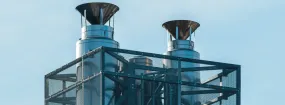
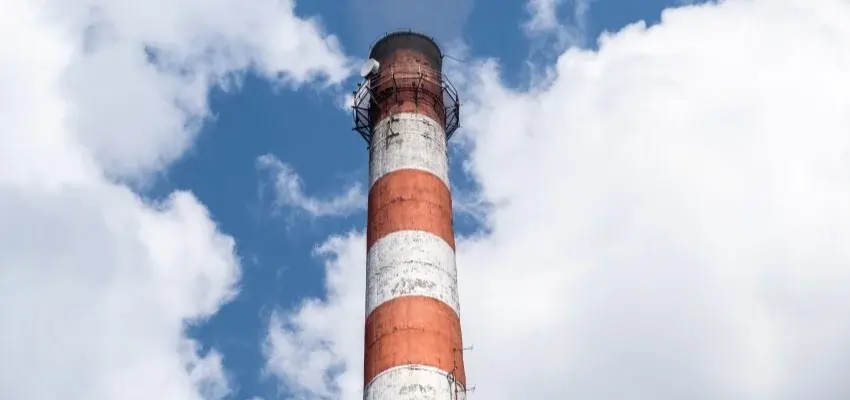
Industrial chimneys are usually the tall masonry, concrete or steel stacks that vent large boilers, heating plants, kilns, incinerators and process equipment at factories, plants and institutions. They are bigger, hotter and harder to reach than residential or restaurant flues, and they often run for long periods without a break. Work on them can require heavy access equipment, specialist crews and close coordination with plant staff. Some companies offering “industrial chimney services” focus on smaller commercial flues, so ask early what heights, materials and equipment types a provider actually handles.
The obvious signs are noise, smoke and flames at the top, but the ones we look for are what a fire leaves behind. Creosote that has burned swells into a light, porous crust that looks a little like charcoal sponge. Clay tiles crack or shift, metal liners and caps can buckle or turn blue, and the mortar near the top may show heat damage. We sometimes find these marks in chimneys whose owners had no idea anything happened, because a slow fire can burn out on its own. That is why a camera inspection is the usual next step whenever there is any doubt about a past fire.
Tall stacks are inspected from the ground, the top and sometimes the inside, depending on their height and design. Ground surveys with binoculars and cameras look for cracking, leaning or loose material. Access to the top may involve lifts, scaffolding or rope access, and some providers use drones for a first look. Inside, cameras lowered from the top or entered through a cleanout door show the condition of the lining. Findings are usually documented with photos and measurements so they can be compared at the next visit. Ask any industrial chimney maintenance provider which of these methods it uses and what it subcontracts.
A chimney quote is mostly time, access and materials, in that order. A single-story house with a gentle roof pitch and one lightly coated flue is quick. A three-story chimney, a slate or tile roof that needs extra care, or a cluster of flues on an apartment building calls for more equipment and more hands. Condition matters too: a flue we can brush in one pass costs less than one that needs rotary tools or several trips. Parts such as caps, dampers or liner sections are separate from labor. We would rather explain those factors up front than surprise anyone later.
We tell most owners to plan on a yearly visit and let the findings set the sweeping schedule. If we pull out a heavy load after one season, the chimney should be checked sooner next time; if the flue is lightly coated, stretching the interval is reasonable. Fuel and habits matter more than the calendar. Dry hardwood burned hot leaves far less behind than damp wood or a stove turned down overnight, and inserts and stoves often need attention more often than open fireplaces. Keeping a note of each visit and what came out makes the right rhythm for your chimney easy to see.
A standard chimney sweep usually takes about an hour to an hour and a half for a single flue. Expect more time if there are several flues, if a stove or insert has to be disconnected, if the roof is steep or high, or if the buildup is heavy or glazed. A camera inspection or a written report adds a little more. Plan to be available for the whole visit and for a short conversation at the end, when the technician explains what was found. If your day is tight, describe your setup when booking so the company can give you a realistic window.
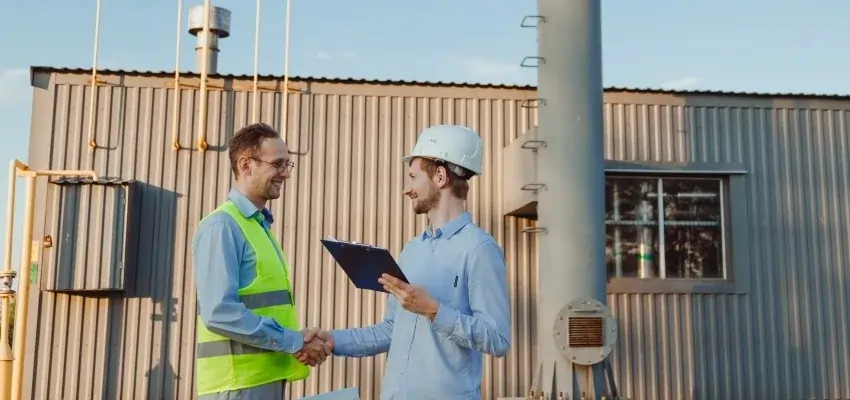
We fit commercial jobs around the business rather than the other way round, which often means working outside opening hours. For restaurants that usually means early mornings, since an oven that ran until late at night needs time to cool before we can touch it. Hotels and apartment buildings tend to prefer weekday visits with notice posted to residents, and we plan the route so each unit is entered once. Before the day, we confirm who holds the roof keys, where we can park and set up equipment and which areas must stay clear for customers. One site contact who answers quickly keeps the schedule tight.
If the sweep finds damage, ask to see it, ask what it means for safety and get a written quote before you agree to anything, since a sound recommendation can always be shown and explained. Photos or camera footage should make the problem clear. Ask whether the fireplace or stove can be used in the meantime, and which repairs are urgent and which can be planned. Common findings include a cracked crown, loose flashing, a rusted damper, a missing cap or cracked flue tiles. For larger jobs, such as relining, a second opinion is reasonable. Avoid deciding under pressure on the doorstep.
Some decisions are easier once a person explains them in plain words. A technician from Chimney Sweep Mission can look at your chimney, point out what matters and skip what does not. Ask for a visit and pick a time that works for your household in Mission.
Flue last swept long ago? Chimney Cleaning in Mission
Chimney Sweep visits that leave Mission living rooms clean
What's included in Chimney Sweep Services around Mission?
What Fireplace Experts check in your Mission chimney
Logs lifted, embers reset: Gas Fireplace Cleaning near Mission
Yearly Gas Fireplace Maintenance in Mission, before the cold arrives