A few quick answers help us understand your home, so we can give you a clear, upfront quote for Gas Fireplace Cleaning Mission
Convenience is the reason most people choose gas: no logs to carry, no ashes to scoop and warmth at the touch of a switch. That convenience still depends on a valve, an ignition system, a vent and a handful of small parts that need occasional care. Homeowners in Mission who look up “gas fireplace cleaning” usually want to know what is normal, what is not and when to call for help. The answers below cover gas fireplace tune-up and cleaning in practical terms, with safety notes wherever they matter.
A gas fireplace works like a small heating appliance dressed up to look like a wood fire, with controls that decide when gas may flow and a flame source that lights it. When you press the switch, the control system confirms it is safe to proceed, the pilot or igniter supplies a flame and the main valve opens to feed the burner. A sensor sitting in the pilot flame, usually a thermocouple, thermopile or flame rod, proves the fire is there; without that proof, gas stops flowing. Older units run on a tiny current made by the pilot itself, while newer ones use batteries or household power. Knowing which design you own tells us where to look first when something fails.
If you smell gas near a fireplace, leave the home right away and call the gas utility, your propane supplier or 911 once you are outside. The rotten-egg or sulfur odor is added to the fuel on purpose so that leaks get noticed. Do not switch lights, the fireplace or any appliance on or off, do not use a phone indoors and do not try to find the source. Get people and pets out and stay at a safe distance until the utility says it is safe to go back in. A qualified gas technician should repair the fireplace before it is used again.
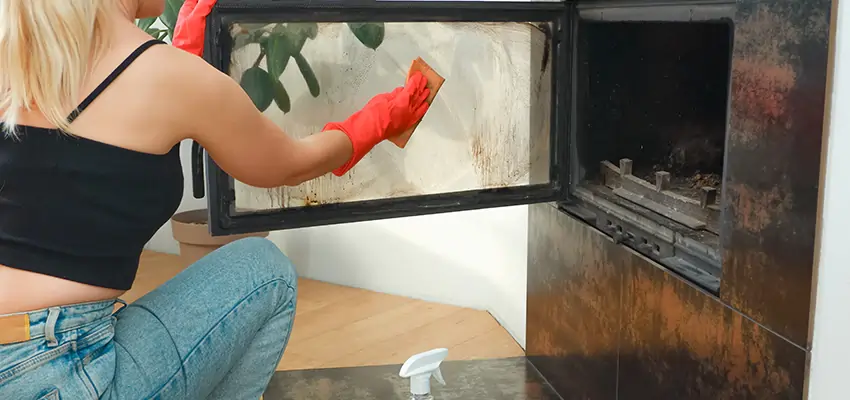
A few visible clues suggest it is time. The glass develops a white or gray haze that makes the flames look dull, the logs look dusty, a burning-dust smell lingers well past the first fires of the season or the flames start looking more yellow and uneven. Pet hair gathering at the lower louvers and slower or noisier fan operation are other hints. Any black soot, however, signals a combustion problem rather than routine dirt, so stop using the fireplace and have it checked. If none of these signs appear, a yearly “gas fireplace cleaning” visit is still a sensible routine.
A fireplace that will not light has a break somewhere in the chain of signal, spark, pilot and main burner, so we check those links in that order. A surprising number of no-start calls end with fresh batteries in a receiver hidden behind the lower panel. Next we watch for a spark or a glowing igniter; clicking with no flame often points to a dirty or misaligned igniter, or to gas not reaching the pilot. If the pilot lights but the burner never follows, the sensor or the valve may be at fault. Every step after the remote, the wall switch and the batteries involves gas components, so that part of the checking should be left to a technician.
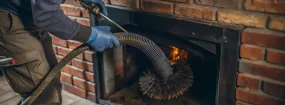
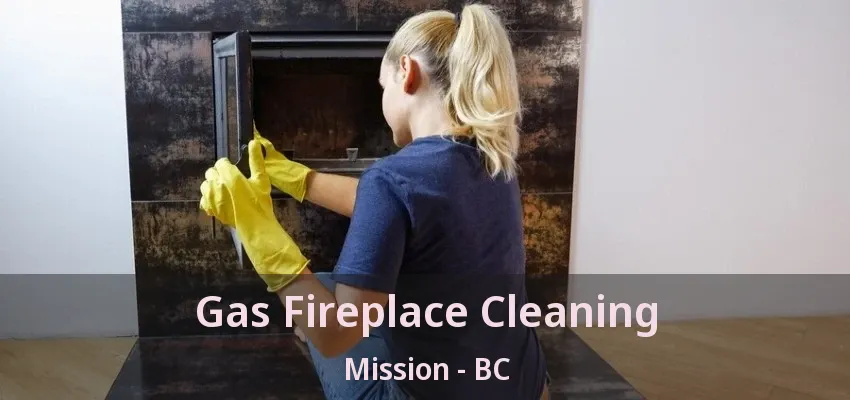
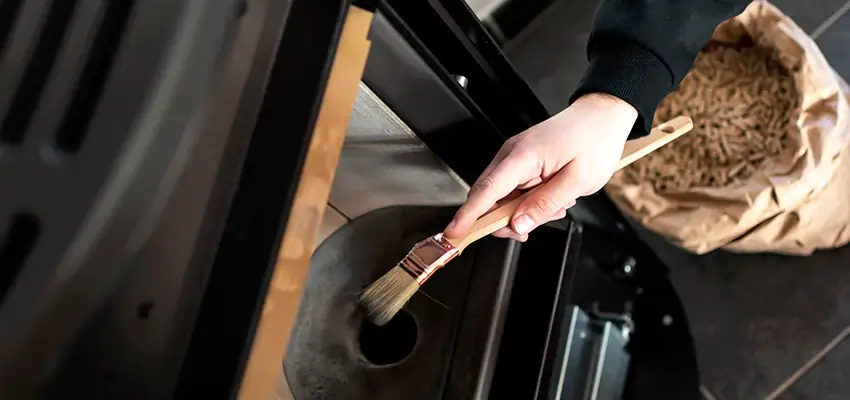
A service includes a running check, a full clean, sensor and leak tests and a final burn, always in the same order so nothing gets skipped. First we look at the fireplace running, because the flame tells us a lot before any tools come out. Then we shut it down, let it cool, lift off the glass and vacuum the firebox, burner tray and control compartment. The pilot assembly gets cleaned, the sensor output is measured and the logs or media are reset to the diagram. We check the glass gasket, test accessible fittings for gas leaks and look at the vent cap from outside. A final burn confirms everything, and then we tell you what we found.
The cost of gas fireplace work depends mainly on what the visit includes and which parts, if any, are needed. A routine cleaning and safety check is usually priced as a standard visit, while repairs add the part and the time to diagnose and install it. Parts vary widely: a battery pack or igniter is a small item, while a control valve or a full glass assembly is a larger one. Older or discontinued models can take longer to source parts for. Access matters too, such as a unit built into a tight space. Ask for a written quote that lists labor and parts separately.
Preparing for a gas fireplace visit mostly means letting the unit cool and clearing space. Turn the fireplace off several hours ahead so the glass and metal are cool enough to handle. Move furniture, rugs, decorations and anything on the hearth back a few feet, and take fragile items off the mantel. Find the owner’s manual and the remote if you have them, and jot down any symptoms, such as odd smells or slow lighting. If the vent ends on an exterior wall or the roof, make sure the outdoor cap can be reached. Keep pets and young children in another room during the visit.
Wait until the fireplace is off and completely cool, then use a vacuum with a soft brush attachment on the outside louvers and grilles above and below the glass. Many fans draw air through the lower louver, so dust there affects how quietly the fan runs and how well it moves warm air. Wipe painted surfaces with a dry or barely damp cloth. Do not reach into the control compartment, remove panels that expose gas parts or spray cleaners into the openings. If the fan is noisy or the lower area is heavy with pet hair, leave the deeper cleaning for your next service visit.
Choose by listening closely to the first phone call, because technicians worth hiring tend to reveal themselves before they ever arrive. On the phone they ask about the fuel, the ignition type and what the fireplace is doing, rather than quoting blind. They describe the visit step by step, bring up the leak check without being asked and mention carbon monoxide alarms out of habit. At your home, they show you what they found and separate urgent items from things that can wait. Patience with your questions on that first call is usually a fair preview of how carefully the work itself will be done.
That is a common place to start. A short conversation usually sorts out what kind of visit makes sense, from a focused check to a full service. Reach Chimney Sweep Mission at (778) 745-4769 and we will give you a straight answer for your home in Mission.
Flue last swept long ago? Chimney Cleaning in Mission
Chimney Sweep visits that leave Mission living rooms clean
What's included in Chimney Sweep Services around Mission?
What Fireplace Experts check in your Mission chimney
Logs lifted, embers reset: Gas Fireplace Cleaning near Mission
Yearly Gas Fireplace Maintenance in Mission, before the cold arrives