A few quick answers help us understand your home, so we can give you a clear, upfront quote for Fix Blocked Chimney Mission
A smoky smell on a humid afternoon, scratching above the damper, a fire that refuses to draw: chimneys tend to announce trouble in small ways first. If one of those moments led you to search for “fix blocked chimney”, you are in a good place to start. This page walks through blocked chimney clearing for buildings around Mission, explaining what usually causes problems, what a visit involves and which simple checks you can make safely on your own.
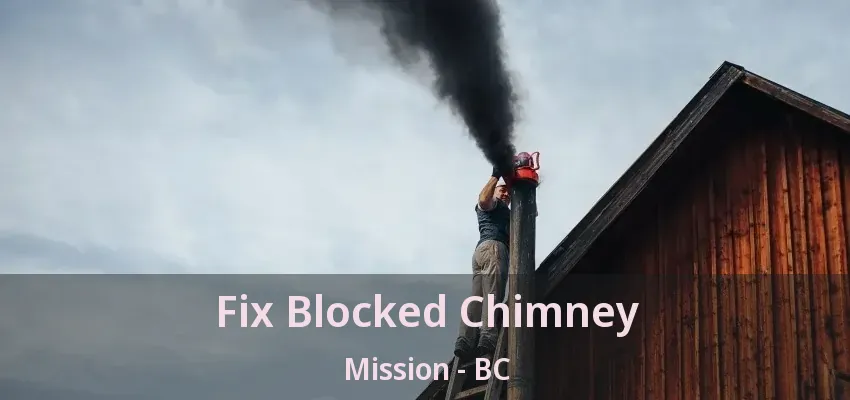
An unswept flue slowly narrows and fills with fuel for a chimney fire, and stopping that is the short version of why we sweep. On the job, the deposits we pull out range from light, dusty soot to crusty flakes and shiny, hardened tar. Each layer makes the next one easier to form, because a rough, narrowed flue cools smoke faster. A neglected chimney also hides its own damage, since nobody can see a cracked tile or a gap in the mortar through a thick coat of buildup. Clearing it is what lets us tell an owner in Mission whether the fireplace or stove is ready to use.
A chimney that blocks again and again usually has an underlying cause that was never fixed. The most common is a missing or poorly fitted cap, which lets leaves, nests and animals in repeatedly. Overhanging branches feed debris into the opening. A deteriorating liner sheds tile pieces or mortar into the flue, and heavy creosote can flake off in sheets if burning habits stay the same. Clearing it each time deals only with the symptom. If you searched for “fix blocked chimney” hoping to solve it for good, ask the technician what caused this blockage and what would stop the next one.
Blockages come from animals, plants, creosote or the chimney itself crumbling, and from inside the room they nearly all look alike: weak draft and smoke where it should not be. Birds and squirrels pack in sticks and grass, and autumn winds drop leaves into uncapped flues. Glazed creosote can let go in sheets and jam at a bend or on the smoke shelf. In older masonry, tiles crack and slide, and loose mortar collects at the base. A stove may puff smoke each time its door opens. Working out which cause you have is the first job, because it decides how the flue is cleared and what repair follows.
We clear a blockage by identifying the material and its position first, then removing it in a way that protects the liner. A camera usually answers both questions. Soft nests and leaves can be pulled down with grabbing tools or brushed through, while a plug of creosote flakes might need a rotary head to break it into pieces our vacuum can handle. Broken tile and brick are trickier: forcing them down can scrape or crack the liner, so we often lift them out from above. After the flue is open, we run the camera again to check for damage and to see whether the blockage was a symptom of something bigger.
Usually not. Most blockages are made of debris such as leaves, nests or fallen creosote, and once that is cleared the chimney often works normally again with nothing more than a sweep and a new or refitted cap. Bigger work comes into play only when the blockage was caused by the chimney breaking down, for example flue tiles that have cracked and slid or a liner that has come apart. Even then, relining the flue is a far more common answer than rebuilding the chimney. Ask to see camera footage before agreeing to anything large after blocked chimney clearing, since it shows plainly whether the structure is part of the problem.
The cost of chimney work depends mostly on how many flues are involved, how easy they are to reach and how much each one needs. A single fireplace flue on a low roof costs less than a tall chimney on a steep roof or a building with several flues. Stoves and inserts that must be disconnected take longer. Heavy or glazed creosote, a blockage or an animal problem adds time and sometimes a return visit. Camera inspections, written reports, caps and repairs are often priced separately. Ask for a written quote that lists what is included so you can compare companies fairly.
Leave the fireplace or stove unused until the chimney is cleared, because even a partly blocked flue cannot carry away all the smoke and carbon monoxide a fire produces. Some smoke may still rise, which makes a partial blockage easy to underestimate. Close the damper and any glass doors, and if a furnace or water heater shares the chimney, mention it right away when you call. Keep CO alarms working on every level. If anyone in the household needs extra heat in the meantime, use a safe alternative rather than the blocked appliance.
A cold firebox and a bare hearth help us more than anything else. Clear a few feet of floor for the vacuum and drop cloths, and lift screens and ornaments off the hearth itself. Warm ash is the most common reason a job starts late, since we cannot clean safely until it has cooled. Outside, we need a stable spot near the chimney for the ladder, so mention soft ground, flower beds or a deck that might be in the way. Tell us about alarm systems, a dog that dislikes visitors or a roof that is easier to reach from the back. Those small details save time on the day.
If the sweep finds damage, ask to see it, ask what it means for safety and get a written quote before you agree to anything, since a sound recommendation can always be shown and explained. Photos or camera footage should make the problem clear. Ask whether the fireplace or stove can be used in the meantime, and which repairs are urgent and which can be planned. Common findings include a cracked crown, loose flashing, a rusted damper, a missing cap or cracked flue tiles. For larger jobs, such as relining, a second opinion is reasonable. Avoid deciding under pressure on the doorstep.
A few details help us plan the right visit:
Send us your details and we will reply with next steps for blocked chimney clearing in Mission.
Flue last swept long ago? Chimney Cleaning in Mission
Chimney Sweep visits that leave Mission living rooms clean
What's included in Chimney Sweep Services around Mission?
What Fireplace Experts check in your Mission chimney
Logs lifted, embers reset: Gas Fireplace Cleaning near Mission
Yearly Gas Fireplace Maintenance in Mission, before the cold arrives