A few quick answers help us understand your home, so we can give you a clear, upfront quote for Fireplace Smell Removal Mission
Wood heat is simple in principle: the fire burns in the box and the smoke rises up the chimney. Keeping it that simple takes a clean flue, sound masonry and parts that seal the way they should. If “fireplace smell removal” was your search, here is what households around Mission usually want to know about fireplace odor removal, explained in a straightforward way, so you can decide what your own fireplace needs.
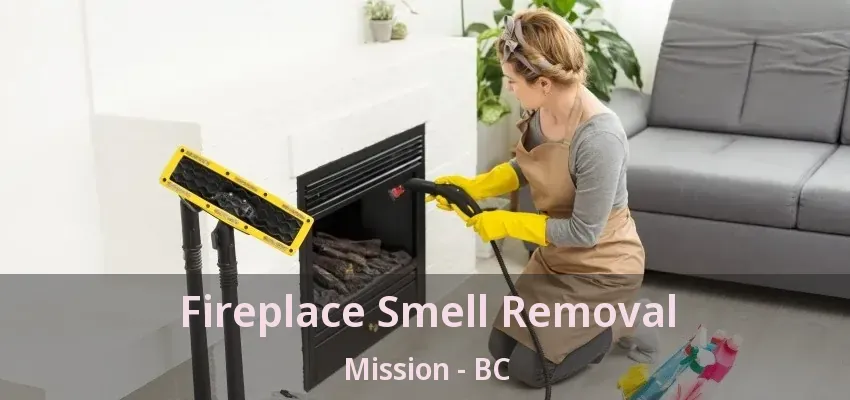
The chimney is the main part of any cleaning we do, and the firebox is only the starting point. Soot settles on every surface the smoke touches, from the damper or stove outlet all the way up to the cap, and the heaviest deposits usually sit just above the fire, where the gases first cool. We brush that entire path, pull the debris down into a contained vacuum, then clear the firebox and the hearth. When a company only scoops ashes and wipes the doors, the part that matters for safety has been skipped, and the next fire runs through the same dirty flue.
A chimney fire often announces itself with a loud roaring or rumbling sound, popping and cracking noises, thick smoke and a strong, hot smell, sometimes with flames or sparks shooting from the top. If you notice these, get everyone out of the house and call the fire department from outside. Not every chimney fire is dramatic, though. Slow-burning ones can go unnoticed and leave quieter clues: flaky, puffed-up creosote, a warped damper or cap, cracked flue tiles and debris on the roof or ground. After any suspected chimney fire, have the system inspected before it is used again.
It can be, but only after a proper inspection and cleaning. A fireplace or stove that sits idle for years often collects things that make the first fire risky: bird or animal nests, leaves, fallen debris and old creosote in the flue, rust on the damper and cracks that formed as the masonry went through many seasons of heat and cold. Water may also have damaged the cap or crown. Have a technician inspect and clean the system, test the damper and look up the full flue before you light anything, so the first fire back is pleasant rather than smoky.
They can mask it briefly, but they do not touch the source. Fireplace odors come from deposits, moisture or debris in the chimney, and air moving down the flue keeps carrying them into the room. Scented products simply add another smell on top, and candles placed in or near the fireplace bring their own fire risk. A lasting fix means cleaning out the deposits, stopping water from getting in and reducing the downdraft with a sealing damper or cap. Once that is done, the room usually smells like the rest of the house again.
A sweep cleans the whole smoke path, and we work from the fire upward and from the room outward. First the hearth and nearby floor are covered, then a high-suction vacuum goes on, keeping the room under slight negative pressure so soot is drawn toward our equipment instead of drifting out. Brushing comes after that: rotary or wire brushes sized to the flue, pushed through in sections until the walls are clear. The smoke shelf behind the damper is where loose debris piles up, so it gets cleaned by hand. We finish by checking the damper seal, looking at the cap and showing the homeowner photos of anything worth discussing.

A careful sweep should leave little or no mess, because the soot is contained and vacuumed as the work happens. Expect drop cloths around the hearth, the fireplace opening or stove door sealed off and a vacuum running for much of the visit. A little fine dust can still escape when the damper is opened or stovepipe comes apart, so clear the mantel and move rugs and furniture back a few feet. If you have light carpet or upholstery nearby, mention it when booking. A good crew leaves the hearth cleaner than they found it.
One to two hours covers most cleaning and inspection visits we make, with the chimney deciding which end of that range applies. Setup and floor protection take a few minutes, brushing takes the bulk of the time, and clean-up plus a walkthrough close things out. Tall chimneys, steep roofs and several flues stretch the visit, as do thick layers that need extra passes or special tools. Repairs are their own matter: a damper handle may be fixed on the spot, while firebrick or crown work gets a separate appointment. Since time shapes the price, an accurate description up front helps everyone.
Keep the deposits low, keep water out and keep the damper closed when the fireplace is not in use. Burning dry wood and having the flue swept on schedule limits the creosote that causes most odors. A chimney cap and a sound crown keep rain from soaking into the soot. Glass doors and a tight-sealing damper reduce the air that drifts down the chimney, especially when kitchen or bathroom fans run. If the smell returns every summer despite these steps, ask about a top-mounted damper as part of your fireplace smell removal plan.
The questions that reveal the most are about scope and evidence: what is cleaned, what is inspected, how findings are shared and how extra work is priced. It is also reasonable to ask who will do the work, whether they handle masonry repairs themselves and how long any repair would need before the first fire. Asking how they deal with glazed creosote or a stovepipe that has to come apart shows quickly whether they have done it before. A technician who knows wood-burning systems answers each of these in a sentence or two, without hedging or upselling.
The systems that keep a home comfortable tend to work quietly in the background until something goes wrong. A planned visit is a calm way to keep your fireplace in good shape. Request a quote from the Chimney Sweep Mission team in Mission.
Flue last swept long ago? Chimney Cleaning in Mission
Chimney Sweep visits that leave Mission living rooms clean
What's included in Chimney Sweep Services around Mission?
What Fireplace Experts check in your Mission chimney
Logs lifted, embers reset: Gas Fireplace Cleaning near Mission
Yearly Gas Fireplace Maintenance in Mission, before the cold arrives