A few quick answers help us understand your home, so we can give you a clear, upfront quote for Fireplace Service Company Mission
A hazy room after the last fire, a campfire smell on a warm afternoon, a brick that wobbles when you touch it: small things like these send many homeowners in Mission looking for “fireplace service company”. Sometimes they mean nothing serious, and sometimes they are an early warning. The answers on this page explain fireplace service clearly, so you can tell the difference and decide what your fireplace needs.
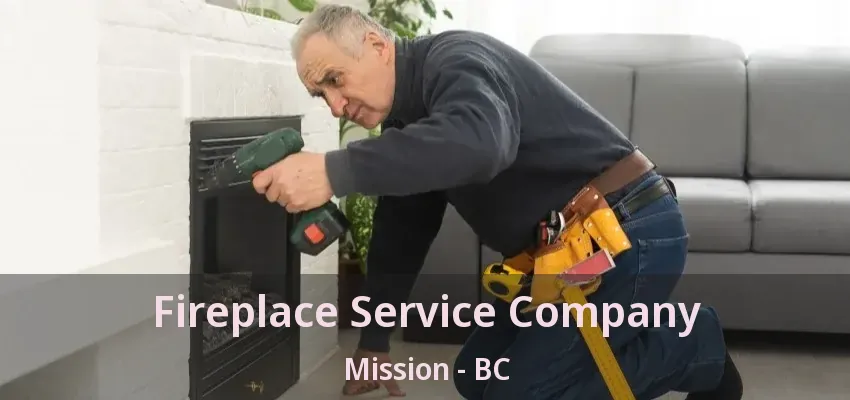
A common guideline is to have the chimney inspected once a year and swept whenever buildup calls for it, which for many households also works out to about once a year. Homes that burn a fire most evenings through the colder months may need a sweep more often, sometimes partway through the season, while a fireplace used a few times a year may go longer between cleanings. Wood stoves used as a main heat source tend to build up creosote faster. Damp wood, smoldering fires and cold outside chimneys all shorten the interval, so let the yearly check guide the schedule.
Quotes vary because no two chimneys take the same time, equipment or care. A single-story home with a short chimney and light buildup is quick work. A tall or steep roof needs more setup and safety gear. Heavy or glazed creosote takes extra passes and different tools. A camera scan adds time but leaves you with a record of the flue. Findings then become their own items: a missing cap, a damper that will not close or loose firebrick are priced separately. That is why we ask a few questions about your fireplace before giving any figure.
We ask about the appliance, the house and the symptoms, because those three answers decide what we bring. Is it an open fireplace, a stove or an insert? One story or two? Any idea when it was last swept? Has anything changed, such as a renovation, a storm or a new smell? Those answers tell us whether to load tall ladders, a camera, pipe parts or masonry tools. Being specific about the problem also helps us say honestly whether a cleaning, an inspection or a repair visit is the right first step.
There is no need to clean the fireplace or stove before the visit, although clearing out a deep pile of completely cold ash is helpful. Technicians empty the firebox as part of the job and can learn something from what is there, such as how much creosote is falling or whether bricks are flaking. What matters most is that the ashes are cold, which can take several days after the last fire, since buried embers stay hot far longer than they look. Do take out unburned logs, kindling and decorations so the firebox is easy to reach.
A reminder or recurring plan helps if you tend to forget when the fireplace was last looked at. Many companies can note your service date and contact you before the next season, and some offer to book the visit at the same time each year. That keeps inspections regular, spreads the workload into quieter months and builds a history of your fireplace. Read what any plan includes and whether it commits you to anything. A note on your own calendar works just as well if you prefer to stay flexible.

Dry, seasoned wood that has been split and stored for six months to a year or longer burns cleanest, because it lights easily and produces less smoke and creosote. Wet wood wastes heat boiling off water, smolders and coats the flue faster. Well-seasoned pieces are lighter, show cracks across the ends and sound hollow when knocked together, and an inexpensive moisture meter takes out the guesswork. Splitting and stacking wood in spring, off the ground and covered on top, usually has it ready for the colder months. Never burn painted or pressure-treated lumber, trash or cardboard boxes.
Ashes are cleaned out safely by waiting until they are cold, scooping them into a lidded metal bucket and taking that bucket straight outside. Cold ash only, every time; any warmth deep in the pile means it waits. Once outside, the bucket belongs on bare ground or concrete, where a surviving ember can do no harm. We have seen ash buckets left on wooden decks and in garages, which is exactly where they should not be. Daily stove users may empty the pan every day or two, and ash vacuums made for the job are an option once everything is fully cold.
Choose a company that explains its work clearly, inspects before recommending repairs and puts its quote in writing. A good company asks about your fireplace or stove before the visit, protects your floors during the work, shows you photos of what it finds and separates urgent problems from optional ones. Recent reviews that mention tidiness, punctuality and straight advice are worth reading. Experience with your type of appliance, whether masonry, factory-built or a stove, matters as well. Treat pressure to decide on the spot, or alarming claims with no photos behind them, as a reason to call someone else.
On the first call, a good company should explain what a visit includes, what affects the cost and what it needs to know about your fireplace. Expect questions about the type of fireplace, how often you burn and what problems you have noticed. The person should be willing to explain cleaning, inspection and repair in plain terms, give a realistic arrival window and describe how findings are shared. If a “fireplace service company” offers a firm repair price over the phone without seeing the fireplace, treat it as a rough guess only.
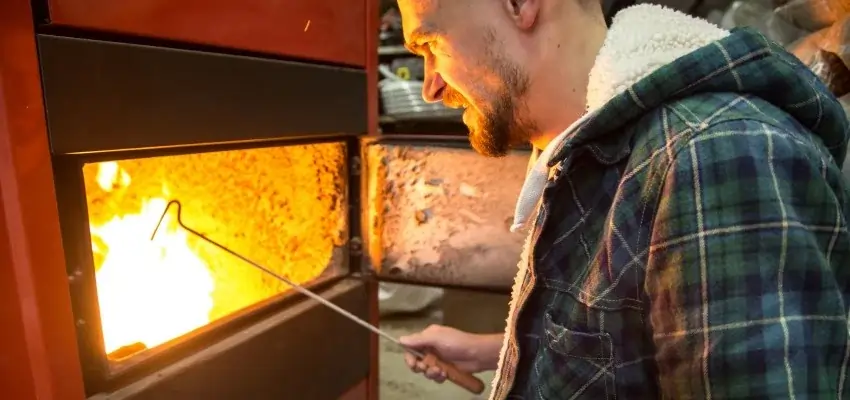
The quote form takes a minute or two. Add your address in Mission, a line about what you need and how you would like us to reach you. Fill in the form and we will get back to you with a price and the next available times for fireplace service.
Flue last swept long ago? Chimney Cleaning in Mission
Chimney Sweep visits that leave Mission living rooms clean
What's included in Chimney Sweep Services around Mission?
What Fireplace Experts check in your Mission chimney
Logs lifted, embers reset: Gas Fireplace Cleaning near Mission
Yearly Gas Fireplace Maintenance in Mission, before the cold arrives