A few quick answers help us understand your home, so we can give you a clear, upfront quote for Fireplace Safety Inspection Mission
Buying a house with a fireplace or wood stove, or finally deciding to use one that has sat cold for years, raises a lot of questions at once. Homeowners in Mission who type “fireplace safety inspection” are often in exactly that spot. The answers that follow walk through fireplace inspection step by step, so you know what to ask, what to expect from a visit and when it is safe to enjoy a fire again.
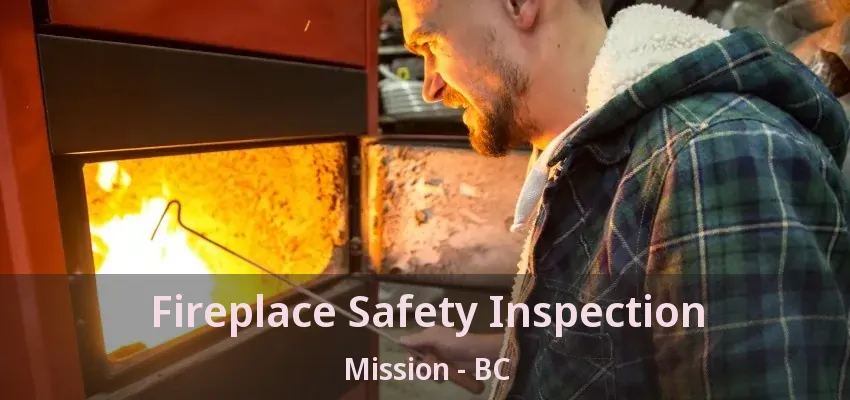
Creosote is the dark residue that forms when wood smoke cools and condenses inside a chimney or stovepipe, and it matters because it burns. It starts as dry, flaky soot, can thicken into a crunchy or sticky tar and at its worst becomes a hard, shiny glaze. A thick layer can ignite and cause a chimney fire. Creosote builds faster when wood is damp, when fires smolder with too little air and when the flue stays cold, as it often does in a chimney on an outside wall. Burning dry wood with a lively flame and having the flue swept when buildup appears keeps it under control.
A fireplace becomes unsafe when it can no longer keep heat, sparks and smoke where they belong. The usual culprits are heavy creosote that can ignite, cracked flue tiles or firebrick that let heat reach wood framing, a missing or damaged hearth extension, mantels and trim too close to the opening and blockages that push smoke and carbon monoxide into the room. Missing smoke and carbon monoxide alarms add to the risk. A fireplace safety inspection looks for each of these in turn, so you know whether to keep using the fireplace, plan a repair or stop until it is fixed.
Regular care catches problems that build slowly and out of sight, and a fireplace that has gone years without a visit shows exactly that pattern. The flue carries a crust of creosote, the cap is clogged with leaves or missing, and joints in the firebox have eroded from repeated heating. None of it happened overnight, and most of it would have been a simple fix earlier on. Neglect also hides things like a cracked flue tile or a rusted damper, which only show up when someone looks. Routine service is really about knowing the condition of a system you trust with an open flame indoors.
A fireplace or stove needs cleaning when the flue turns matte black and furry with deposits, or when fires start losing their pull. We judge it by thickness and texture, but homeowners can spot the effects from the hearth. Fires get lazy, drafts weaken and the room picks up a stale smell between uses. In stoves, the glass blackens faster and the baffle collects a crust. Heavy users often reach that point before the season ends, while occasional users may go a full year or more. When in doubt, a quick inspection settles it without guesswork.
We suggest a yearly inspection plus a few event-based ones. The yearly visit catches slow changes: mortar wear, creosote creeping up, a cap that worked loose over the winter. The event-based ones matter more than people expect. A home purchase tops the list, since sellers rarely know the condition of their flue. Chimney fires, lightning, storm damage and renovations near the fireplace come next, because each can crack liners or shift masonry without obvious signs in the room. Before buying, an inspection gives you facts to negotiate with instead of guesses.
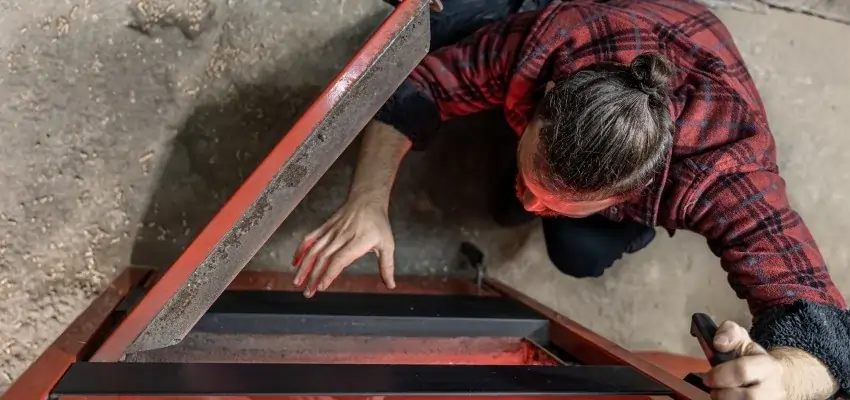
Clean, sound and set up correctly: those are the three verdicts a fireplace inspection should reach. Clean means the level of creosote in the flue and smoke chamber. Sound means the firebrick, mortar, damper, liner, crown and cap are intact, with no cracks or gaps that let heat or smoke escape. Set up correctly covers clearances to mantels, trim and framing, a hearth extension that protects enough floor and a cap that keeps rain and animals out. Where we cannot see, a camera goes up the flue. The report puts each finding in plain terms, with photos.
Most fireplace safety comes down to daily habits. Use a screen or glass doors whenever a fire burns, never leave a fire unattended and make sure it is fully out before bed or leaving the house. Keep children and pets back from the hearth, and keep rugs, furniture and decorations a safe distance from the opening. Never use gasoline or other accelerants to start a fire. Keep a fire extinguisher nearby and test your alarms monthly. These habits work alongside a yearly “fireplace safety inspection” visit, which catches what you cannot see.
You can keep things tidy between visits, but the flue is where do-it-yourself efforts fall short. We regularly find chimneys that were brushed from below with a kit that missed the smoke shelf, pushed debris onto a closed damper or knocked soot loose without anyone noticing a cracked tile. Any work on the liner or masonry belongs with a professional. A sensible split is simple: ashes, glass, alarms and firewood are yours; sweeping, inspection and anything structural go to a technician. That division keeps you safe and puts experienced eyes on the parts that matter.
Check the parts that sat untouched all summer, the alarms and the wood supply; our own pre-season list is that short. Dampers can rust or stick, so work them open and closed. Caps and screens may have gathered leaves or a nest. Glass door latches and stove gaskets should still close snugly. A carbon monoxide alarm with a dead battery protects nobody, so test it. Then comes the fire itself: dry kindling, seasoned logs and a modest first burn while you watch how the smoke behaves. If it rolls into the room or smells odd, let it die down and call for a check.
That is a smart move. Ask each company what is included, how long the visit takes and what you will be shown afterward. We are happy to answer those questions in writing. Request a detailed quote from Chimney Sweep Mission for your home in Mission.
Flue last swept long ago? Chimney Cleaning in Mission
Chimney Sweep visits that leave Mission living rooms clean
What's included in Chimney Sweep Services around Mission?
What Fireplace Experts check in your Mission chimney
Logs lifted, embers reset: Gas Fireplace Cleaning near Mission
Yearly Gas Fireplace Maintenance in Mission, before the cold arrives