A few quick answers help us understand your home, so we can give you a clear, upfront quote for Fireplace Mantel Services Mission
Much of a fireplace is hidden from view. Above the opening sit the throat, the damper and the smoke chamber; around it sit the surround, the hearth and the mantel. Homeowners in Mission who search for “fireplace mantel services” are usually dealing with one of these areas and wondering how the others relate to it. The answers here connect the pieces and explain how fireplace mantel installation fits into the bigger picture of a fireplace that is both safe and good to look at.
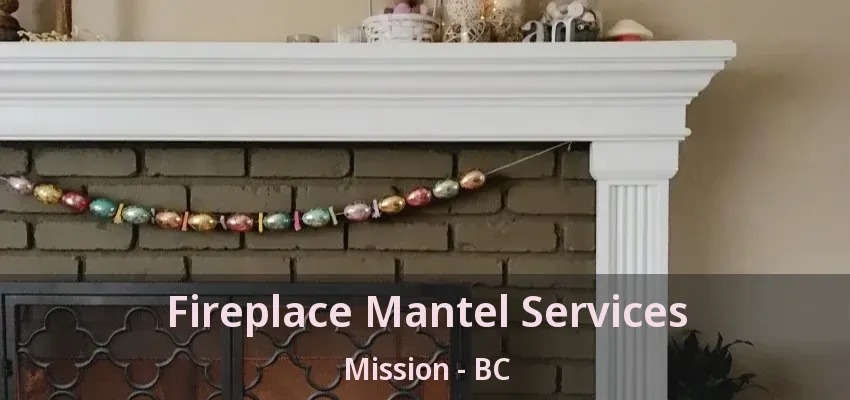
Far enough that heat never reaches the wood, and the exact figure comes from the fireplace manufacturer for factory-built units and from local rules for masonry ones. Projection matters: a deep mantel shelf needs more height above the opening than a slim trim piece. We measure before anything is ordered, because one of the most common problems we correct is a mantel installed too low on an otherwise sound fireplace. Long exposure to heat can darken and dry out wood well before it ever burns, so a scorched underside is a sign the distance is too short.
The problems that concern us most are the ones that let heat or smoke go where they should not. Open cracks in the firebox, mortar joints washed out deep enough to catch a fingernail, a smoke chamber shedding chunks onto the smoke shelf and a damper plate rusted through all fall into that group. Cosmetic issues, like hairline crazing in a tile surround or a scuffed mantel, can be planned around your schedule. When homeowners send photos, we usually ask for three: the firebox walls, the view up past the damper and the outside of the chimney.
A careful crew protects the room with drop cloths, plastic sheeting and tape before any cutting, chipping or grinding starts. Masonry and tile work create fine dust, so the fireplace opening is often sealed and a vacuum with fine filtration runs during the dustiest steps. The flooring in front of the hearth and the path to the door should be covered too. Expect some noise and a little dust despite the precautions, especially if old mortar or a surround is being removed. Ask how cleanup is handled at the end of each day and once the job is done.
Small repairs, such as replacing a few firebricks or fixing a damper, often take a single visit, while refacing, mantel work or a conversion can take several working days spread over a week or two. Masonry and mortar need time to cure before the fireplace is used, and some finishes must set before the next layer goes on. Ordering stone, tile, a mantel or a gas insert can add weeks before work starts. Ask for a schedule that shows working days, waiting time for curing or materials and the earliest date you can light a fire again.
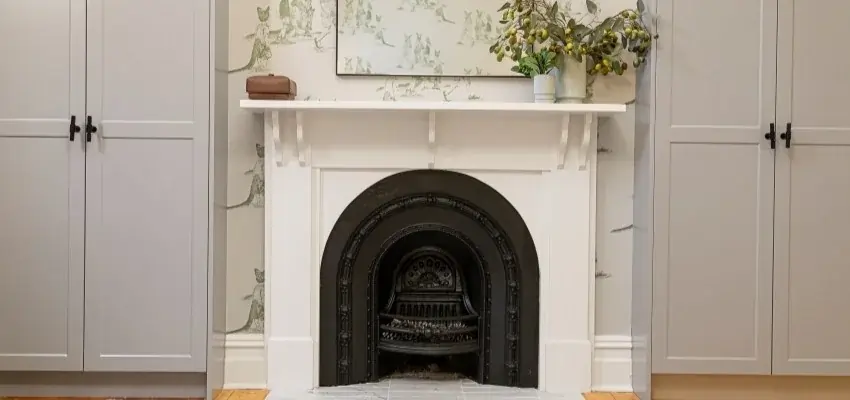
Often it can, and it may be the more charming choice. Loose mantels can be re-anchored, split joints glued and clamped, missing trim pieces copied and worn finishes stripped and refinished or painted. Original mantels in older homes are frequently worth saving, since their size and detail are hard to match. Replacement makes sense when the wood is badly scorched, the mantel sits too close to the opening to meet clearances or the style no longer suits a remodeled room. If you are weighing options while researching “fireplace mantel services”, ask for both a repair and a replacement price.
It can be, if heat and mounting are planned for. Electronics can be damaged by rising heat, so check the TV maker’s guidance and hold your hand under the spot while the fireplace runs: if it feels hot, the TV will too. A deeper mantel can deflect some heat. The mount must anchor into solid masonry or framing, and wiring should run through proper channels rather than across hot surfaces. Some factory-built fireplaces allow wall finishes above them only within set limits, so check the manual. Viewing height matters as well, since a TV over a mantel often sits high.
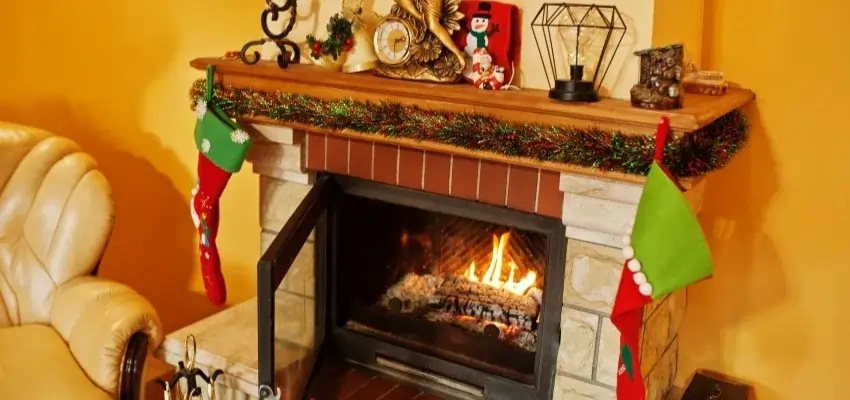
Keep it clean, keep it dry and keep things off it that could fall or scorch. Dust with a soft cloth and use cleaners suited to the finish, since harsh products can dull paint or stain. Heat dries wood over time, so small checks in a solid beam are normal, but a darkened or scorched underside means the mantel may be too close to the fire. Take down stockings, garlands and other hanging decorations before lighting a fire. If the mantel works loose from the wall or cracks near its fixings, have the anchors checked during your next fireplace mantel installation visit.
Ask the contractor for a specific date, because it depends on the materials used. Mortar, refractory cement and some adhesives need time to cure before they face heat, and lighting a fire too soon can crack fresh joints or loosen new finishes. After masonry work, the first fires are usually kept small to drive out remaining moisture gradually. Gas conversions are tested by the installer before handover. Keep the first few fires modest, watch for smoke in the room and make sure your smoke and carbon monoxide alarms work.
Ask to see their work, inside the firebox as well as on the wall. A company that does fireplaces well can show you finished surrounds and mantels, but also the less glamorous jobs: rebuilt fireboxes, parged smoke chambers and replaced dampers. Those pictures tell you it understands the working parts, not just the decoration. Listen for questions about your chimney and how you use the fireplace. A contractor who mentions an inspection before quoting, explains curing time and says which parts of the job go to a gas technician or other specialist is usually a safe pick.
Sometimes the right call is a small fix, sometimes a bigger job and sometimes nothing at all. We tell you which one applies to your fireplace and why. Ask Chimney Sweep Mission for advice and decide in your own time.
Flue last swept long ago? Chimney Cleaning in Mission
Chimney Sweep visits that leave Mission living rooms clean
What's included in Chimney Sweep Services around Mission?
What Fireplace Experts check in your Mission chimney
Logs lifted, embers reset: Gas Fireplace Cleaning near Mission
Yearly Gas Fireplace Maintenance in Mission, before the cold arrives