A few quick answers help us understand your home, so we can give you a clear, upfront quote for Fireplace Maintenance Mission
A wood fire is one of the simple pleasures of the colder months, and keeping it that way takes a little care behind the scenes. If you searched for “fireplace maintenance”, you are probably weighing what your fireplace needs now and what can wait. This page gathers straight answers for homeowners in Mission about fireplace maintenance: what a technician looks at, what tends to wear out and which small habits keep fires burning cleanly between visits.
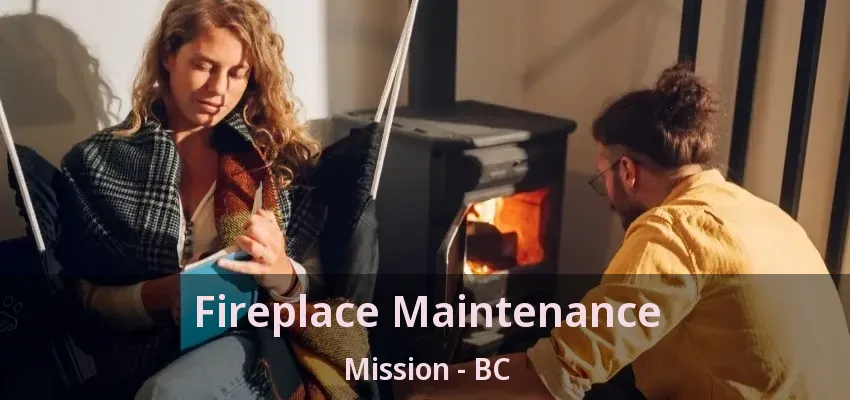
A wood-burning fireplace or stove needs regular care because every fire leaves residue behind, and that residue builds up where you cannot see it. Smoke cools as it rises and coats the flue with soot and creosote, which narrows the passage and can catch fire. Heat also slowly wears down mortar, firebrick, door seals and metal parts. Left alone for years, those small changes add up to poor drafts, smoky rooms and costly repairs. A yearly check, plus a sweep when buildup calls for it, keeps the fire drawing well and catches problems while they are still minor. Working smoke and carbon monoxide alarms complete the picture.
You know it is time when the flue shows visible buildup or the fire starts behaving differently. With everything cold, shine a flashlight up past the open damper or into the stove outlet: a layer of soot or creosote that you can scrape with a poker is a common sign. Other clues include fires that are harder to start or keep going, smoke lingering in the room, a strong smoky smell, black flakes falling onto the hearth and stove glass that darkens quickly. If nobody remembers the last cleaning, that alone is a good reason to book one.
The season matters mostly for scheduling: late spring and summer are often the easiest times to book, because demand is lower and any repairs can be finished well before you need a fire. Many homeowners still schedule in early fall as a pre-season check, and that works too, although calendars fill quickly once the weather cools. Booking soon after the burning season ends has a bonus: deposits come out before humid weather turns them into odors. If something already seems wrong, book when it suits you rather than holding out for a particular month.
The cost depends mainly on how much work the visit involves and how hard the chimney is to reach. Key factors include the height of the chimney and the pitch of the roof, the number of flues, how much creosote has built up and whether it has glazed, and whether the visit includes an inspection or a camera scan. Stoves with pipe to take apart and older fireplaces with rough smoke chambers can add time. Repairs and parts are normally quoted separately. A written quote that lists what is included makes it easier to compare companies fairly.
In most cases it does, because the expensive fireplace problems usually grow out of small ones left alone. A cap that costs little to replace keeps water out of the damper, the smoke chamber and the mortar joints. A sweep that removes creosote reduces the chance of a chimney fire that can crack a flue. Loose firebrick reset early avoids a full firebox rebuild later. Routine fireplace maintenance will not stop every repair, but it spreads costs out, gives you warning and keeps the big projects rarer.
It depends on the chimney, and the decision is made on the day. Plenty of flues are swept from the firebox upward with rods, which keeps us off delicate roofing. We still like to see the top, because the cap, the crown and the last few feet of flue are where weather and animals cause trouble. On steep or slippery roofs, we may set a ladder at the eave and use a camera instead of walking the surface. Rain, ice and strong wind mean the roof portion waits for a better day. Either way, you should hear what the top looks like, not just the bottom.
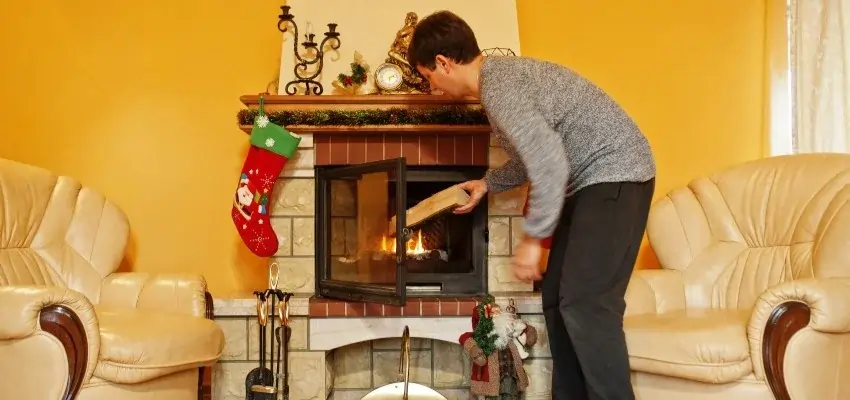
Clean glass doors only when they are completely cool, using a cleaner made for fireplace glass and a soft cloth, since abrasive pads scratch the surface. Check that the doors open, close and latch smoothly and that the frame is not sagging or separating from the opening. Follow the door maker’s guidance on whether the doors should be open or closed while a fire burns, because some glass is not meant to face a roaring fire with the doors shut. Inspect mesh screens for tears or gaps that could let sparks through, and replace damaged ones before the next fire.
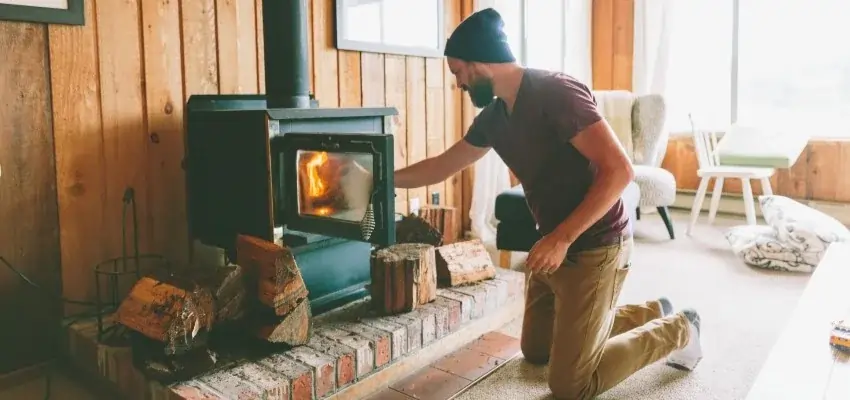
Everyday upkeep is a homeowner job, but sweeping and inspecting the chimney are better left to a professional. Safe tasks include removing cold ashes, cleaning glass doors with a product made for fireplace or stove glass, keeping the hearth area clear, checking that the damper opens and closes and testing smoke and carbon monoxide alarms. Brush kits are sold, but they cannot tell you whether the liner is cracked, the smoke chamber is coated or the cap is damaged, and climbing onto a roof brings its own risk. A professional visit includes a look at the parts you cannot see.
Ask about scope, evidence and pricing, since those answers reveal most of what you need to know:
It is also fair to ask whether they work on your type of appliance. Specific, confident answers are reassuring; vague ones are a cue to compare another company.
Parts of a home that have been in place for decades, from chimneys to ductwork, often hide earlier fixes and pieces that are no longer made. We check what is really there first, then talk through realistic options with you. Ask about fireplace maintenance for your setup in Mission.
Flue last swept long ago? Chimney Cleaning in Mission
Chimney Sweep visits that leave Mission living rooms clean
What's included in Chimney Sweep Services around Mission?
What Fireplace Experts check in your Mission chimney
Logs lifted, embers reset: Gas Fireplace Cleaning near Mission
Yearly Gas Fireplace Maintenance in Mission, before the cold arrives