A few quick answers help us understand your home, so we can give you a clear, upfront quote for Fireplace Experts Mission
A fireplace or wood stove is part heater, part centerpiece and part exhaust system, and each part needs its own kind of attention. Homeowners in Mission who search for “fireplace experts” often start with one problem and discover that the whole picture matters. Here you will find straightforward answers about fireplace service, from the basics of creosote and drafts to choosing who works on your home. Dip into whichever answers match your situation.
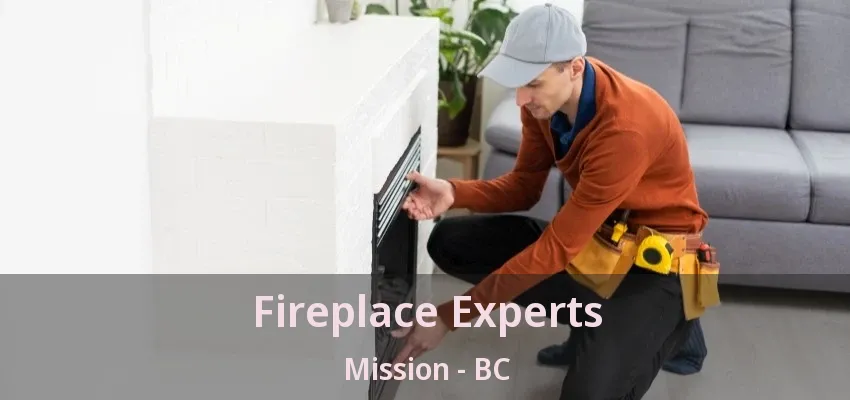
Regular care catches problems that build slowly and out of sight, and a fireplace that has gone years without a visit shows exactly that pattern. The flue carries a crust of creosote, the cap is clogged with leaves or missing, and joints in the firebox have eroded from repeated heating. None of it happened overnight, and most of it would have been a simple fix earlier on. Neglect also hides things like a cracked flue tile or a rusted damper, which only show up when someone looks. Routine service is really about knowing the condition of a system you trust with an open flame indoors.
A chimney fire often announces itself with a loud roaring or rumbling sound, popping and cracking noises, thick smoke and a strong, hot smell, sometimes with flames or sparks shooting from the top. If you notice these, get everyone out of the house and call the fire department from outside. Not every chimney fire is dramatic, though. Slow-burning ones can go unnoticed and leave quieter clues: flaky, puffed-up creosote, a warped damper or cap, cracked flue tiles and debris on the roof or ground. After any suspected chimney fire, have the system inspected before it is used again.
During a fireplace sweep, the technician cleans the full smoke path from the firebox to the top of the chimney while keeping soot out of your room. A typical visit starts with drop cloths and a sealed opening, with a vacuum running to hold fine dust back. Brushes on flexible rods are then run through the flue, from below, from the roof or both. The smoke shelf and smoke chamber above the damper are cleared, the damper is cleaned and tested, and ash and debris are removed from the firebox. You should get a short summary of what was found.
A routine cleaning or inspection usually takes about one to two hours, and a combined sweep and inspection can run a little longer. Time depends on how much creosote has built up, how tall the chimney is, whether the roof has to be accessed and whether a stovepipe must come apart. Glazed deposits and any small repairs agreed on during the visit add time, while larger masonry work is normally scheduled separately. Plan to be home for the whole visit and allow a few minutes at the end to go over the findings. Describing your setup when booking helps the company estimate the time.
Many chimneys can be cleaned from inside, through the fireplace opening or stove, but a complete job often includes a look from the roof as well. Working from below with flexible rods handles plenty of flues, especially with a vacuum holding the dust back. The roof is where the cap, crown, flue top and outside masonry can be checked, and some caps or tight bends make cleaning from the top easier. Technicians only go up when weather and roof conditions allow it safely. Mention steep pitches, fragile roofing or tight ladder space when you book.
There is no need to clean the fireplace or stove before the visit, although clearing out a deep pile of completely cold ash is helpful. Technicians empty the firebox as part of the job and can learn something from what is there, such as how much creosote is falling or whether bricks are flaking. What matters most is that the ashes are cold, which can take several days after the last fire, since buried embers stay hot far longer than they look. Do take out unburned logs, kindling and decorations so the firebox is easy to reach.
Expect questions about habits as much as hardware. How often do you burn, and for how long? Where does your firewood come from, and how long has it dried? Do fires start easily, or does smoke linger at first? Do you close the glass doors, run kitchen fans or keep a window open nearby? These answers explain much of what turns up in the chimney. Heavy, tarry creosote, for example, usually points to damp wood or smoldering fires. Having this information ready helps fireplace experts give advice that fits your home rather than a generic checklist.
Ask about scope, evidence and pricing, since those answers reveal most of what you need to know:
It is also fair to ask whether they work on your type of appliance. Specific, confident answers are reassuring; vague ones are a cue to compare another company.
Real know-how shows in the questions asked and the explanations given. Someone experienced asks how often you burn, what wood you use and what you have noticed, then checks the firebox, damper, flue and cap before drawing conclusions. They explain draft, creosote and cure times in plain language and show photos instead of asking you to take their word for it. If you have been searching for “fireplace experts”, pay attention to whether the person can tell you why something happened, not just what to replace. That habit separates true experience from a sales visit.
Some decisions are easier once a person explains them in plain words. A technician from Chimney Sweep Mission can look at your fireplace, point out what matters and skip what does not. Ask for a visit and pick a time that works for your household in Mission.
Flue last swept long ago? Chimney Cleaning in Mission
Chimney Sweep visits that leave Mission living rooms clean
What's included in Chimney Sweep Services around Mission?
What Fireplace Experts check in your Mission chimney
Logs lifted, embers reset: Gas Fireplace Cleaning near Mission
Yearly Gas Fireplace Maintenance in Mission, before the cold arrives