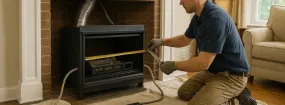
A few quick answers help us understand your home, so we can give you a clear, upfront quote for Fireplace Conversion Services Mission
Fireplace vocabulary can be confusing: firebox, throat, smoke chamber, surround, hearth extension. This page cuts through it. If you are in Mission and found us by looking up “fireplace conversion services”, you will find straightforward explanations of fireplace conversion in everyday words, without jargon or pressure. Start with the parts that match your project and keep the rest for later, when the next question comes up.
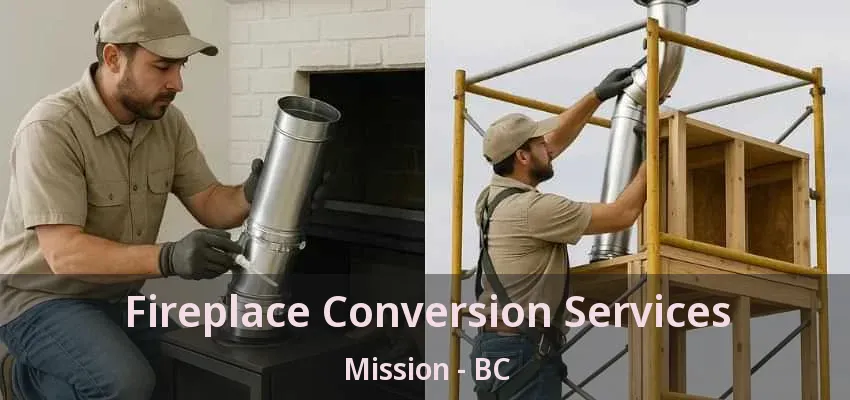
It depends on what kind of fireplace it is. A factory-built gas fireplace or a gas insert cannot burn wood, because it was designed and tested only for gas; it would have to be removed and replaced with a unit made for wood. A masonry fireplace that simply has gas logs in it can usually return to wood burning once the logs are taken out, the gas line is capped by a qualified gas technician and the chimney is inspected and swept. People researching “fireplace conversion services” often ask this before deciding, and it is a fair question to raise early.
Usually, yes, as long as the structure behind the visible parts is sound. A fireplace that drafts well and has a solid firebox can often be refreshed or repaired with far less disruption than a full replacement, and the room gains a working focal point again. The value depends on the condition of the masonry, the damper and the chimney, how often you plan to use it and whether the work fixes a safety issue or is mainly cosmetic. Start with an inspection, then choose between cosmetic, repair and conversion work with a clear picture of what each involves.
We break a conversion into four phases: clean, prepare, connect and commission. Clean means sweeping out old creosote and ash so nothing smolders or smells once gas heat arrives. Prepare covers repairs to the firebox and damper and, for an insert, measuring and fitting the liner. Connect is the gas work, always done by a qualified gas technician, from the supply line to the valve. Commission is where the unit is lit, tested for leaks and checked for flame and venting, and you are walked through the controls. We also recommend a working carbon monoxide alarm nearby.
Because what we find inside often changes the plan, every project should begin with an inspection. A makeover quote means little if the firebox behind it is cracked, and a gas conversion depends on the condition of the flue it will vent through. We look at the masonry joints, the damper and its frame, the smoke chamber walls above it and the liner or flue tiles, and we measure the opening. Then we tell you what the existing fireplace can support. Doing this first also avoids the worst outcome: covering damage that someone later has to tear out again.
Yes, a gas conversion needs a gas supply at the fireplace, and running it is work for a qualified gas technician. If the house already has natural gas, the technician checks whether the existing supply can handle the extra appliance and plans a route for the new line. Homes without natural gas may be able to use propane with a tank and an appliance set up for it. Ask about it early when you request quotes after searching for “fireplace conversion services”, since the gas line can be a significant part of the job and sometimes needs a permit.
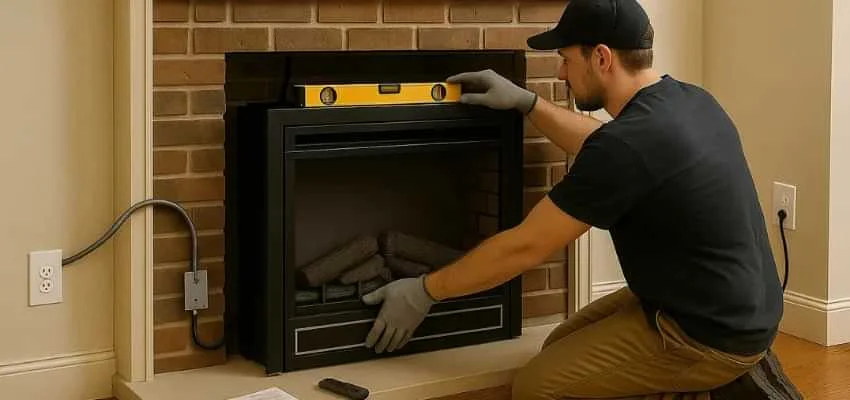
Sometimes, and the deciding factors are gas, structure and venting. Cosmetic work on the outside of the fireplace rarely triggers a permit. Connecting a gas line, installing an insert with a new liner or rebuilding part of the firebox or chimney often does, depending on the rules where the house sits. Whoever does the work should know which applies and say so clearly in the quote. If a permit is needed, ask who will apply, who will be present for any inspection and whether the price includes it. Skipping this step can cause trouble later, for example when you sell the house.
We give every customer a first-fire date, and it is set by the slowest-curing material in the job. Fresh mortar and refractory products hold water, and heating them too fast turns that water to steam inside the joint, which can crack it before it has hardened. So after firebox, throat or smoke chamber work, we recommend a few small fires before a full one. Tile and stone surrounds have their own adhesive cure times. Gas units are lit and tested on installation day, then left ready to use. Call us if anything looks or smells unusual during those first fires.
Ask to see their work, inside the firebox as well as on the wall. A company that does fireplaces well can show you finished surrounds and mantels, but also the less glamorous jobs: rebuilt fireboxes, parged smoke chambers and replaced dampers. Those pictures tell you it understands the working parts, not just the decoration. Listen for questions about your chimney and how you use the fireplace. A contractor who mentions an inspection before quoting, explains curing time and says which parts of the job go to a gas technician or other specialist is usually a safe pick.
Local contractors know the housing stock, the common fireplace designs and the suppliers nearby, which makes planning and follow-up easier. Builders in the same neighborhoods often used similar fireboxes, dampers and surrounds, so a company that works the area has usually seen your setup before. Nearby crews can also return quickly when a project spans several visits for curing or materials. Before hiring, confirm the company works in your area directly, ask for local examples of similar work and check how it handles questions after the job is done.
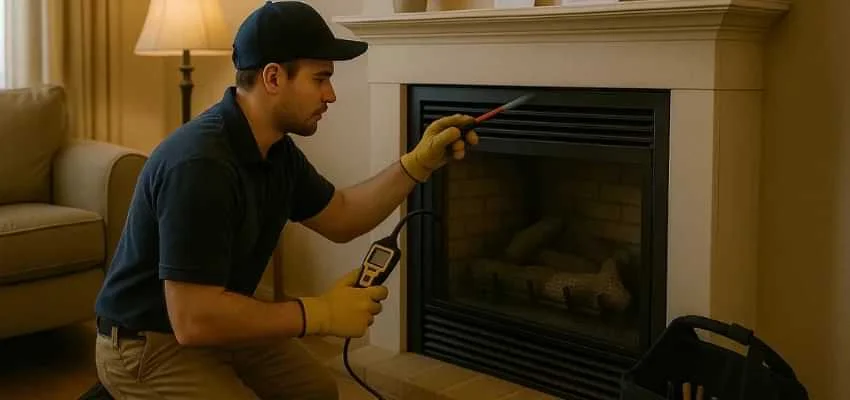
That is a common place to start. A short conversation usually sorts out what kind of visit makes sense, from a focused check to a full service. Reach Chimney Sweep Mission at (778) 745-4769 and we will give you a straight answer for your home in Mission.
Flue last swept long ago? Chimney Cleaning in Mission
Chimney Sweep visits that leave Mission living rooms clean
What's included in Chimney Sweep Services around Mission?
What Fireplace Experts check in your Mission chimney
Logs lifted, embers reset: Gas Fireplace Cleaning near Mission
Yearly Gas Fireplace Maintenance in Mission, before the cold arrives