A few quick answers help us understand your home, so we can give you a clear, upfront quote for Fireplace Cleaning Mission
Questions about safety, cost and timing come up whenever a homeowner thinks about a fireplace or stove. If you landed here after searching for “fireplace cleaning”, you will find those questions answered one by one, in roughly the order most people ask them. The focus is on fireplace cleaning for homes in Mission, with honest detail about what a technician does, what affects the work and what you can safely handle between visits.
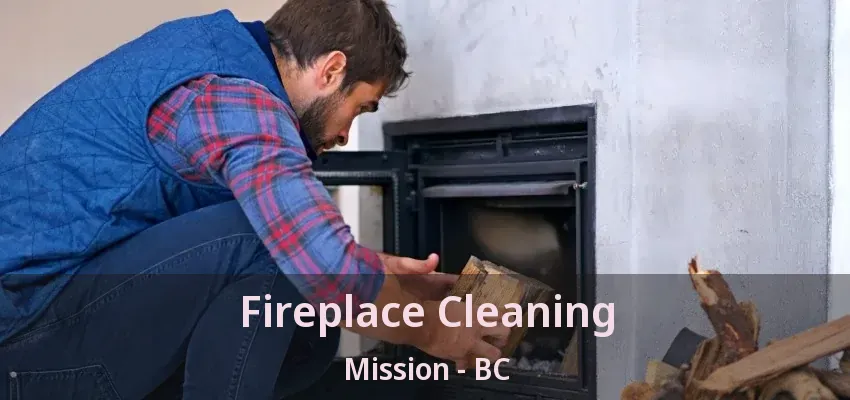
A proper cleaning includes the chimney, because that is where most of the soot and creosote collects. The firebox or stove interior is cleared of ash and loose debris, but the main work happens in the flue above it, along with the smoke chamber of a fireplace or the pipe that connects a stove. Some quick-clean offers stop at the visible parts, so ask what is included before booking. A complete job also looks at the cap at the top, works the damper and finishes with a vacuumed hearth, so the whole path the smoke travels has been covered.
Creosote is the dark residue that forms when wood smoke cools and condenses inside a chimney or stovepipe, and it matters because it burns. It starts as dry, flaky soot, can thicken into a crunchy or sticky tar and at its worst becomes a hard, shiny glaze. A thick layer can ignite and cause a chimney fire. Creosote builds faster when wood is damp, when fires smolder with too little air and when the flue stays cold, as it often does in a chimney on an outside wall. Burning dry wood with a lively flame and having the flue swept when buildup appears keeps it under control.
The signs fall into two groups: what you hear during the fire and what we find after it. A fast chimney fire is often described as sounding like a freight train or a jet engine, with popping as tiles and deposits heat up. In that moment, the only job is to leave the house and call the fire department. Afterward, we look for creosote that has swelled into a honeycomb texture, discolored or distorted metal, cracked liner sections and stains where smoke escaped through gaps. Those clues matter because a quiet chimney fire can damage a flue without anyone noticing.
A fireplace or stove usually smells when it is not in use because creosote and soot in the flue give off odor, especially in humid weather. Moist summer air reacts with those deposits and makes the smell stronger, and rain coming down an uncapped chimney adds a damp, musty note. The house can make it worse: kitchen and bathroom fans or a running dryer can pull air down the chimney and into the room. A sweep removes most of the source, a cap keeps rain out and a tightly closing damper cuts the downdraft. A sharp, rotten smell is different and can mean an animal in the flue.
It needs less cleaning, but it still needs checking. A few fires a year leave only a light coat of soot, yet an idle chimney collects other things: leaves, nests, fallen mortar and moisture that makes old deposits smell in humid weather. Occasional fires also tend to be short and cool, which can leave more sticky residue per fire than a long, hot burn. Many homeowners who rarely light a fire book fireplace cleaning every year or two and a look at the flue each year. That way the next fire for a holiday or a cold snap starts with a clear path.
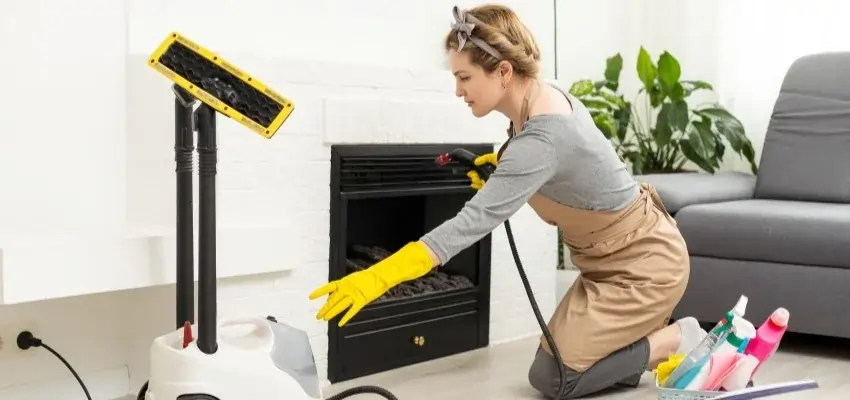
We take care of the smell by removing its source first and then cutting off its path indoors. Cleaning removes most of the odor-producing deposits, including the sticky layer that builds up on the smoke shelf or behind a stove baffle. Then we look at why air is flowing down the chimney: a damper that does not seal, a missing cap letting rain soak the soot, or a house pulling air through exhaust fans. Fixes range from a new damper gasket to a top-sealing damper or a cap. Odor that survives all that sometimes comes from deposits soaked into the masonry, which may call for a deodorizing product applied by the technician.
Cleaning a fireplace properly relies on a handful of specialized tools. Brushes come in wire for masonry flues lined with clay tile and in stiff poly for metal flues that a wire brush could scratch, sized to match the shape of the flue. They attach to flexible rods that snap together to reach the full height of the chimney, and some technicians use rotary systems that spin the brush with a drill. A vacuum with fine filtration keeps soot contained, while lights, mirrors and inspection cameras show what the brushes have reached. Drop cloths and hand tools finish the smoke shelf and firebox.
The schedule depends on how much you burn and how cleanly, more than on the calendar. For a household with occasional fires, a yearly visit usually finds a light layer ready to come out. Someone heating with a stove every day may need cleaning before the season ends, especially if the wood is not fully seasoned. Signs between visits help too: black flakes on the hearth, slower starts and darker glass all suggest buildup is growing. Jot down the date of each sweep along with how heavy the deposits were, and after a season or two the right interval becomes clear.
Everyday upkeep is a homeowner job, but sweeping and inspecting the chimney are better left to a professional. Safe tasks include removing cold ashes, cleaning glass doors with a product made for fireplace or stove glass, keeping the hearth area clear, checking that the damper opens and closes and testing smoke and carbon monoxide alarms. Brush kits are sold, but they cannot tell you whether the liner is cracked, the smoke chamber is coated or the cap is damaged, and climbing onto a roof brings its own risk. A professional visit includes a look at the parts you cannot see.
Tenants rely on things working, and owners want clear records. We coordinate access, keep the visit short where we can and send a plain summary afterward. Request fireplace cleaning for your property and tell us how to reach the occupants.
Flue last swept long ago? Chimney Cleaning in Mission
Chimney Sweep visits that leave Mission living rooms clean
What's included in Chimney Sweep Services around Mission?
What Fireplace Experts check in your Mission chimney
Logs lifted, embers reset: Gas Fireplace Cleaning near Mission
Yearly Gas Fireplace Maintenance in Mission, before the cold arrives