A few quick answers help us understand your home, so we can give you a clear, upfront quote for Dryer Vent Replacement Mission
Towels that need a second trip through the dryer are often the first hint that something is off behind the machine. Many homeowners in Mission start by searching for “dryer vent replacement” and find more opinions than answers. The practical side of dryer vent replacement is simpler than it sounds. The first thing worth checking is usually the hose behind the machine, since a crushed or kinked bend there slows drying on its own. If the hose looks fine and the outside flap barely lifts while the dryer runs, the restriction sits somewhere along the duct.
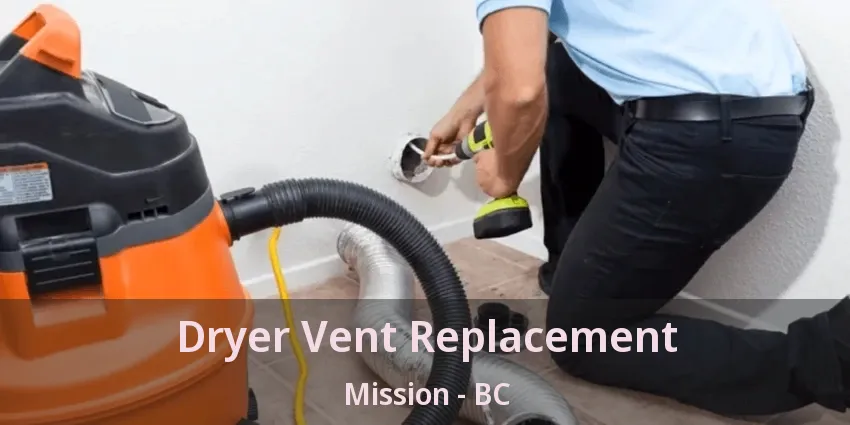
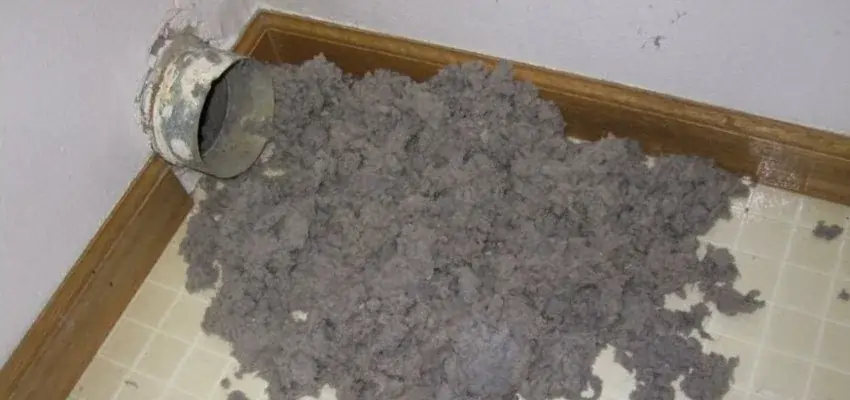
It matters because, from the technician’s side, a dryer vent is an exhaust pipe, and every exhaust pipe depends on open airflow. When we take apart a vent that has gone a long time without attention, we usually find a lint lining along the walls, heavy clumps at the elbows and sometimes a hood that barely opens. That restriction makes the dryer cycle longer and run hotter, and its thermal safety switches end up doing far more work. Clearing it restores the flow the dryer was designed around. Homeowners often notice shorter drying times within a few loads, which is the easiest proof that the work made a difference.
A dryer that takes too long is most often fighting a restricted vent, though a few simple things are worth checking first. Make sure the lint screen is empty and not coated with dryer sheet residue, which washes off with warm water and a soft brush. Look behind the machine for a hose that is kinked or pressed against the wall. Then step outside while a load is drying and see whether air pushes the flap open. If all of that looks fine and loads still need extra time, the vent run probably needs cleaning. Overloading the drum or a weak washer spin can also slow things down.
The pattern we hear most is a dryer that used to finish a load in one cycle and now needs two. That change happens gradually, so people adapt without noticing. Other things we look for on arrival: a scorched-dust smell near the machine, a top panel that is hot to the touch and a weak puff of air at the exterior opening. Sometimes the dryer shuts off mid-cycle because its overheat protection has tripped. When several of these show up at once, the vent is almost always involved, and clearing it is the first fix to try.
A dryer vent that ends on the roof is cleaned the same basic way as a wall vent, but it usually takes more time and needs roof access, so it is a job to leave to a professional. The technician typically cleans from inside first, then goes up to clear the roof cap, which often has a lint-clogged screen or a flap that has stuck. Roof vents tend to clog faster because the air has to push lint upward over a longer run. If your dryer vents through the roof, mention it when you book so the right ladders and rods come along.
For most replacements, the run through walls and ceilings is done in rigid metal duct and only the short connection behind the dryer is flexible, using semi-rigid metal rather than foil or plastic. Rigid duct keeps a smooth, round path that lint does not catch on, while a semi-rigid transition gives the dryer room to move. The joints are usually sealed with foil tape instead of screws that would reach into the airflow. A replacement may also include a new outside hood. Ask what route and materials are planned and how the old duct will be removed or capped.
Sometimes, but not always. If the duct runs through an unfinished basement, a utility room or an accessible attic, it can usually be replaced without touching finished surfaces. When it is sealed inside a finished wall or ceiling, the installer may need small access openings at joints or elbows, or may suggest a new route that avoids the old one. Ask before work starts who will patch and paint any openings, since some vent companies handle drywall repair and others leave it to you or a contractor. A clear plan avoids surprises during dryer vent replacement.
In most cases, yes. Once the new duct is connected and sealed, the installer should run the dryer, check airflow at the exterior hood and confirm the connector has a gentle curve behind the machine. You can start laundry right away. A faint smell from new materials or tape for the first load or two is normal. Keep an eye on drying times over the next week; they should be noticeably shorter if the old vent was the problem. If anything seems off after your “dryer vent replacement” work, call the company back while the job is fresh.
The flap is a simple one-way valve, and it tells you a lot in a few seconds. With the dryer running, we expect it to lift firmly and stay up. A flap that flutters weakly suggests restricted airflow somewhere upstream. When the drum stops, a healthy flap drops shut so cold air, rain and pests stay out. Lint on the hinge is the usual reason one sticks. We also look for warping and for a housing that has pulled away from the wall. A quick look every few months is one of the easiest checks a homeowner in Mission can make.
Choose a dryer vent company that explains its process clearly and quotes based on your actual vent. A good company asks where the vent exits and how long the run is, tells you what the visit includes and gives a written price before starting. On the day, the technician should test airflow, show you what came out and point out any damage without pressuring you into repairs. Read recent reviews for comments about punctuality and tidiness. Be wary of very low advertised prices that grow once someone arrives, or of anyone pushing full air duct cleaning when you only asked about the dryer.
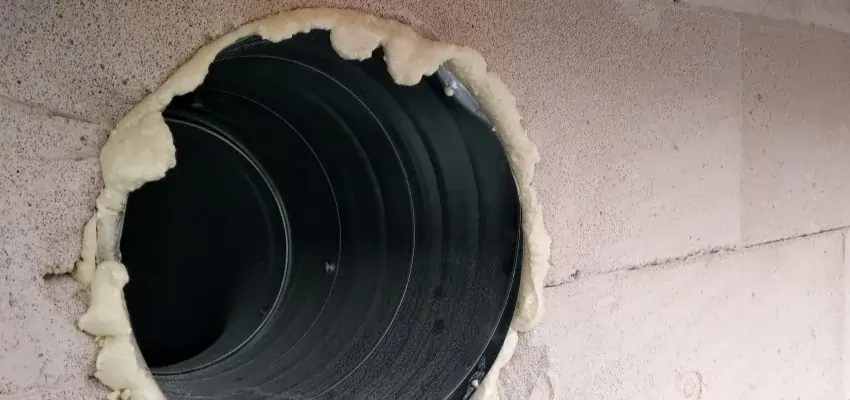
If you can safely snap a picture of what worries you, mention it when you get in touch. It helps the technician bring the right tools and plan the visit. Reach out to Chimney Sweep Mission and we will tell you how to share it.
Flue last swept long ago? Chimney Cleaning in Mission
Chimney Sweep visits that leave Mission living rooms clean
What's included in Chimney Sweep Services around Mission?
What Fireplace Experts check in your Mission chimney
Logs lifted, embers reset: Gas Fireplace Cleaning near Mission
Yearly Gas Fireplace Maintenance in Mission, before the cold arrives