A few quick answers help us understand your home, so we can give you a clear, upfront quote for Dryer Vent Cleaning Mission
Before you call anyone about your dryer vent, it helps to know which questions to ask and what a sound answer looks like. That is the idea behind this page. It pulls together what homeowners in Mission most often wonder about after a search for “dryer vent cleaning”, with plain explanations of dryer vent service from people who work on dryer vents every week. Use it as a reference, whether you end up booking a visit or not.
Not in the usual sense, because a ventless dryer has no duct to the outdoors. Condenser and heat pump models cool the moist air inside the cabinet, collect the water in a container or send it to a drain and reuse the dried air. They still need care, though: the lint screen after every load, plus a second filter or a condenser unit that has to be rinsed or brushed as the manual describes. If you are reading about “dryer vent cleaning” and are not sure which type you own, look behind the machine. A round outlet with a hose attached means it is vented; no outlet at all means it is not.
Rigid or semi-rigid metal duct is generally the safer choice for a dryer vent, while thin foil and white plastic hoses are widely discouraged. Smooth metal walls let lint slide through instead of catching on ridges, and they hold their shape so the path stays open. Foil accordion hose sags, kinks and flattens easily behind the dryer, creating pockets where lint collects. Plastic hose can melt or burn and is not meant for dryer exhaust. If you can see white plastic or flimsy foil behind your dryer, ask about a replacement the next time the vent is serviced.
A humid laundry room usually means the moist air from the dryer is not making it outside. That can happen when the vent is clogged, when the connector hose has slipped off behind the machine or when the outside flap is stuck. In colder months, warm exhaust can also condense inside a long or uninsulated run, leaving droplets or damp lint in the duct. Check that the hose is attached at both ends and that the flap opens. If you see water dripping from the vent or rust stains on the duct, have the run looked at, since trapped moisture makes lint cling and can damage nearby drywall.
The clearest sign of a clogged dryer vent is laundry that takes longer to dry than it used to. Other clues tend to show up alongside it:
One sign alone may have another cause, but two or three together usually point to a restricted vent that deserves a proper check.
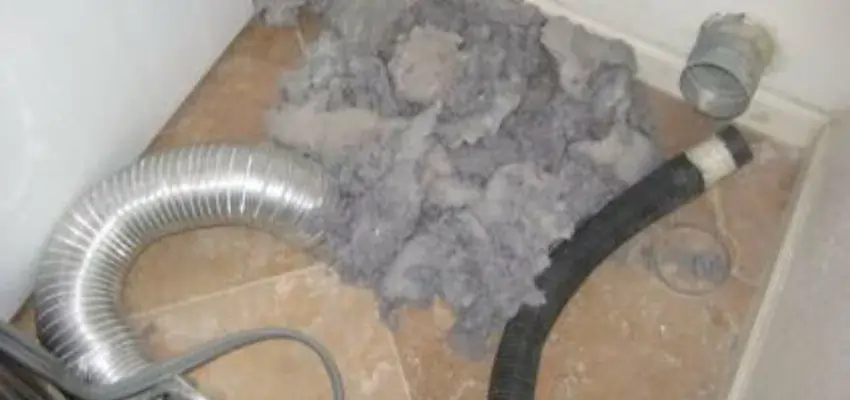
Mostly lint, but rarely only lint. A typical haul is gray fluff mixed with pet hair, often packed into felt-like plugs at the elbows. Damp vents give up a sticky paste of fibers and dryer-sheet residue. Other finds include coins, hair ties and small items that slipped past a torn screen, twigs and grass from a nest and the odd insect at the outside hood. The debris tells a story: a heavy, dry layer points to a long gap since the last cleaning, while wet clumps hint at condensation. Ask to see what came out after your “dryer vent cleaning” visit, since it helps set the next date.
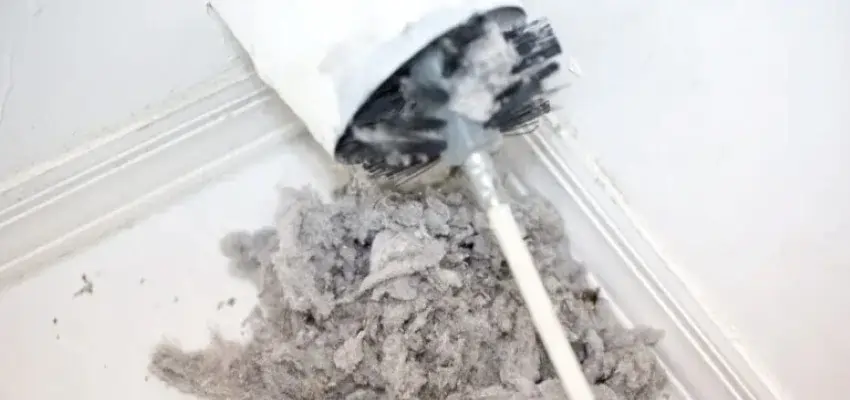
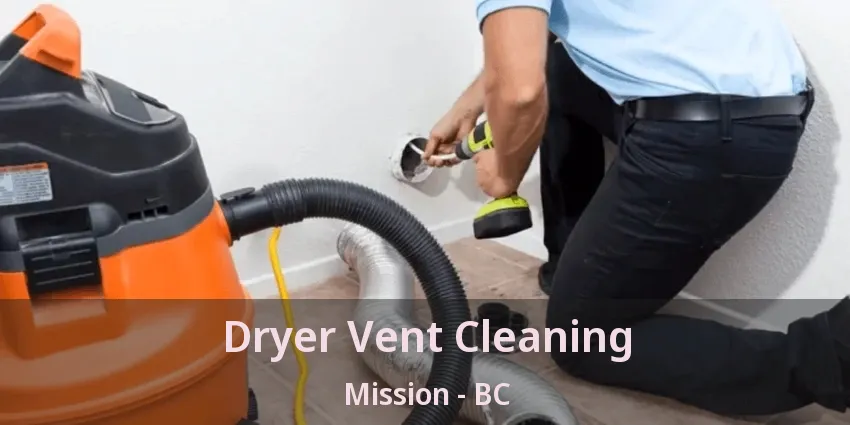
During dryer vent cleaning, the technician clears lint from the whole path between the dryer and the outside of the house. A typical visit starts with moving the dryer out and disconnecting the hose. The duct is then cleaned with rotating brushes and strong airflow, often from both the inside and the outside opening, and the loosened lint is collected with a vacuum. The hose and the outside hood get the same attention. Finally, the dryer is reconnected, pushed back carefully and run for a few minutes to confirm good airflow. You should see what came out and hear what was found.
The cost of work on a dryer vent depends mostly on how hard the vent is to reach and how much it needs. The main factors are the length of the run, the number of bends, where it exits (a ground-level wall vent is simpler than a roof or a second-floor wall) and how long it has been since the last cleaning. Repairs add to the total, such as replacing a crushed hose, fixing a disconnected joint or installing a new hood. A quote that lists exactly what is included makes it easier to compare companies fairly.
Preparing for a dryer vent visit mostly means making room. Finish any laundry in progress and empty the dryer, then clear baskets, detergent bottles and anything stored on top of or beside the machine so it can be pulled out. If the laundry is in a closet, take out what is on the floor. Outside, move furniture, bins or planters away from the vent hood and unlock any gate. Let the company know about stairs, tight doorways or a vent that exits on the roof. A clear path saves time and protects your floors and walls.
A local company is often the practical choice for dryer vent cleaning because it knows the homes in your area. Builders in the same neighborhoods tend to use similar vent routes, so a technician who works nearby has probably seen your layout before. Local service also makes scheduling easier and follow-up simpler if you have a question after the visit. Before booking, confirm that the company actually works in your area rather than passing the job to someone else, and ask for a clear arrival window. A short drive often means more flexibility on appointment times.
No jargon, no surprise add-ons and no long sales pitch. We explain what the work on your dryer vent involves, what it costs and how long it takes, then you decide. Call (778) 745-4769 to talk it over with Chimney Sweep Mission.
Flue last swept long ago? Chimney Cleaning in Mission
Chimney Sweep visits that leave Mission living rooms clean
What's included in Chimney Sweep Services around Mission?
What Fireplace Experts check in your Mission chimney
Logs lifted, embers reset: Gas Fireplace Cleaning near Mission
Yearly Gas Fireplace Maintenance in Mission, before the cold arrives