A few quick answers help us understand your home, so we can give you a clear, upfront quote for Dryer Lint Cleaning Mission
Lint is sneaky. The screen catches most of it, yet a fine layer still slips through and settles along the inside of the duct, at every bend and around the outside hood. Over months, that layer adds up to a real restriction. If you found this page by looking up “dryer lint cleaning”, here is what households in Mission usually want to know about dryer lint cleaning, explained clearly and without exaggeration or scare tactics.
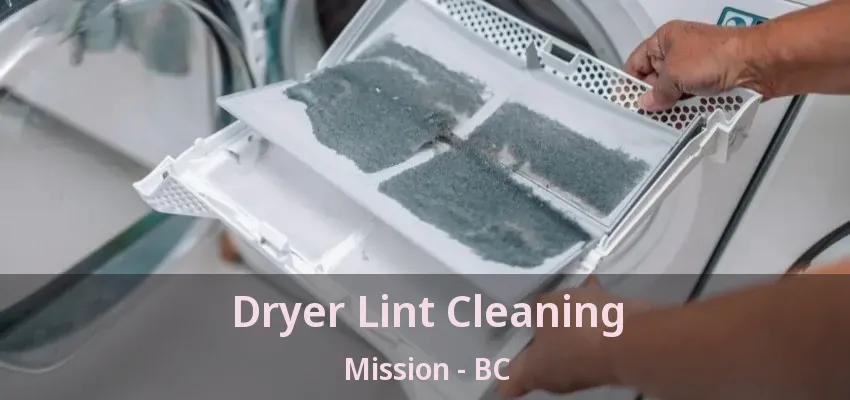
Lint is tiny pieces of fabric that tumbling and heat shake loose from clothes, towels and bedding. Cotton towels, new fleece and flannel shed the most, and pet hair adds to the mix. Every load releases some, and most of it lands on the screen. The rest rides the airflow into the hose and duct. Homeowners who search for “dryer lint cleaning” are often surprised by how much collects in a year, but it is simply the sum of every load. Washing new towels a few times before drying them on high heat can reduce the early shedding.
Gas and electric dryers both need a clear vent, and a gas dryer has one extra reason: its vent also carries combustion gases outside. If lint blocks the path, those gases have fewer places to go. That is why homes with a gas dryer should have working carbon monoxide alarms, especially near the laundry area and the bedrooms. Leave the gas connection alone, since moving the dryer or touching the supply line is a job for a qualified technician. If you ever smell gas, leave the home and call your gas utility from outside. The cleaning itself is very similar for both types.
No, cleaning the lint trap is important but not enough on its own. The screen catches most of the lint, yet fine fibers still pass through it with every load and collect further along, inside the dryer housing, the connector hose and the vent run. Think of the screen as daily upkeep and dryer lint cleaning as the occasional deeper job. Keep emptying the screen after each cycle, and plan on having the vent itself cleared periodically, sooner if drying times start creeping up or the outside flap barely opens when the dryer runs.
Rigid metal is the safer pick, and in the field the duct material also tells us a lot about how a vent has been treated. Rigid aluminum or galvanized pipe with taped joints usually comes out with a light, even film of lint. Accordion foil tells a different story: lint packs into every fold, low spots sag and hold moisture, and the hose is often squashed flat against the wall. For the short link behind the dryer, a semi-rigid metal transition is a reasonable compromise because it bends without collapsing. For the run through walls and ceilings, we prefer solid metal pipe wherever the layout allows it.
Get the nest removed and the duct behind it cleared before the next load; we pull nests out of dryer vents more often than most people expect. Birds like the warmth and shelter of a hood whose flap is stuck open or missing, and a low wall vent near a deck or roofline is an easy target. Mice and other small animals sometimes move in too. The nest itself is only part of the job, because the debris usually pushes a plug of lint back up the duct. After clearing it, we confirm the flap closes on its own and recommend a guard style that discourages nesting without trapping lint at the opening.
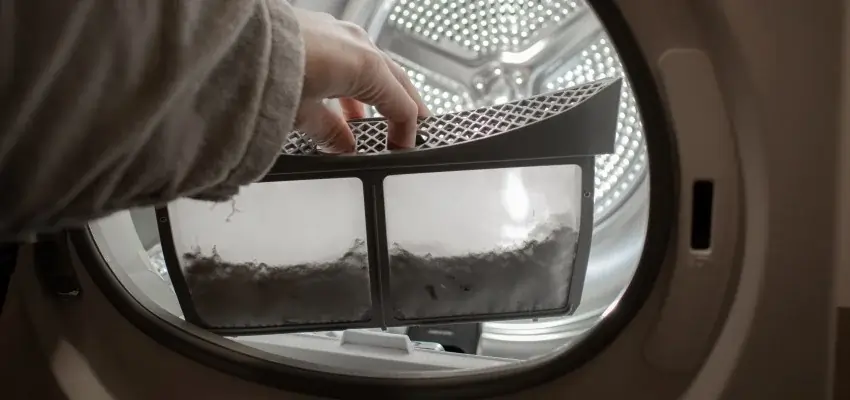
A thin, even layer after each load is normal, and a thicker mat after towels or bedding is expected too. What is not normal is finding almost nothing on the screen after a full load of towels, because it can mean lint is slipping around a damaged screen or the dryer is not moving enough air to carry it there. Lint collecting on the floor around the dryer, inside the door seal or on the wall behind the machine is another warning. Either case is worth mentioning when you book dryer lint cleaning, since it points to where the fibers are escaping.
We clean roof vents from the laundry side first and finish at the cap, and they are some of the most packed vents we see. Lint travels up the vertical section, loses speed and falls back, so it builds in layers near the bottom of the riser and again at the cap. Many roof caps were never designed for dryers and have small openings or screens that collect lint quickly. Our rods have to be long enough for the full rise, and we only go up to the cap when the weather and pitch make it safe to be on the roof. Sometimes we suggest a cap made for dryer exhaust, which stays clear much longer.
We do need someone on site for the indoor part, which is most of the job. The dryer has to be moved, its connection checked and the machine run afterward to confirm airflow, and we prefer to do that with the owner or a trusted adult present. The outside hood can sometimes be cleaned while you are out, but only that part. At the end, we like a short conversation about what came out of the duct and anything we noticed. That chat is often the most useful few minutes of the visit for homeowners deciding what comes next.
If we were hiring someone for our own homes, we would listen to how they talk about the vent. A company that knows the work asks about the route, the exit point and the dryer type before quoting. It explains how it will clean, not just that it will. It shows you the lint and the airflow difference afterward and tells you plainly when something needs fixing. Tidy work matters too, because lint gets everywhere if equipment is handled carelessly. Clear communication on the phone is usually a good preview of how the visit itself will go.
Most problems with your dryer vent start small and grow when they are left alone for a few seasons. If something on this page sounded familiar, have it checked while it is still minor. Call Chimney Sweep Mission at (778) 745-4769 to arrange a visit in Mission.
Flue last swept long ago? Chimney Cleaning in Mission
Chimney Sweep visits that leave Mission living rooms clean
What's included in Chimney Sweep Services around Mission?
What Fireplace Experts check in your Mission chimney
Logs lifted, embers reset: Gas Fireplace Cleaning near Mission
Yearly Gas Fireplace Maintenance in Mission, before the cold arrives