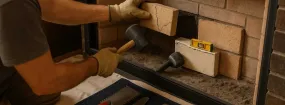
A few quick answers help us understand your home, so we can give you a clear, upfront quote for Cracked Fireplace Bricks Repair Mission
Fireplace work sits where looks and safety meet. A new surround has to cope with heat, a repaired firebox has to contain fire and every change has to leave the smoke a clear path out. If “cracked fireplace bricks repair” brought you here, the following answers give homeowners in Mission a grounded view of firebox brick repair: what is involved, what can go wrong when corners are cut and how to prepare for a smooth job.
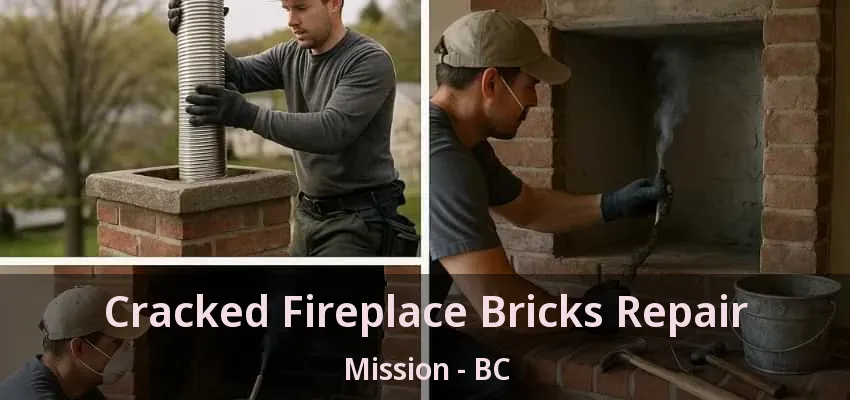
In most homes we see, yes, but the answer comes from inside the fireplace rather than its surface. A dated surround over a healthy firebox and a working damper is a good candidate for improvement. Cracked firebricks, a rough smoke chamber or a rusted damper are worth fixing in their own right, since they affect how safely the fireplace burns. Where we hesitate is when the chimney itself needs major rebuilding, because then the budget conversation changes. We look at the whole system first, explain what we find and let you weigh appearance against function.
That depends on the kind of crack. Fine hairline cracks on the surface of a firebrick that is still tight in its wall are common, and many fireplaces run safely with them while you keep an eye on them. Cracks that run all the way through a brick, pieces that have fallen out, bricks that wobble and mortar joints you can scrape out are different: they open a path for heat toward the masonry and framing behind the firebox. Stop using the fireplace if you see those, and have it checked. When you research “cracked fireplace bricks repair”, photos of the firebox walls in good light help a technician judge the damage.
Yes. Firebricks are made from refractory clays that tolerate intense, repeated heat, and they are usually denser and lighter in color than the bricks on a house wall. Ordinary building brick can crack, flake or break down when it faces a fire directly, so it should not be used to patch a firebox. The mortar is different too: firebrick is laid with refractory mortar in thin joints, because standard mortar crumbles under that heat. If a previous repair used regular brick or mortar inside the firebox, it is likely to fail again and is worth correcting during your firebox brick repair visit.
A careful crew protects the room with drop cloths, plastic sheeting and tape before any cutting, chipping or grinding starts. Masonry and tile work create fine dust, so the fireplace opening is often sealed and a vacuum with fine filtration runs during the dustiest steps. The flooring in front of the hearth and the path to the door should be covered too. Expect some noise and a little dust despite the precautions, especially if old mortar or a surround is being removed. Ask how cleanup is handled at the end of each day and once the job is done.
The working time is usually shorter than the calendar time. A damper or firebrick repair may take a few hours, and a surround can be refaced in a few working days, but mortar and adhesives need curing time and gas work needs scheduling and testing. Materials are the other variable: custom stone, a made-to-order mantel or an insert can take weeks to arrive. We give homeowners two dates when we plan: when work starts and when the fireplace can be used again. For most families the second date matters most, especially heading into the colder months.
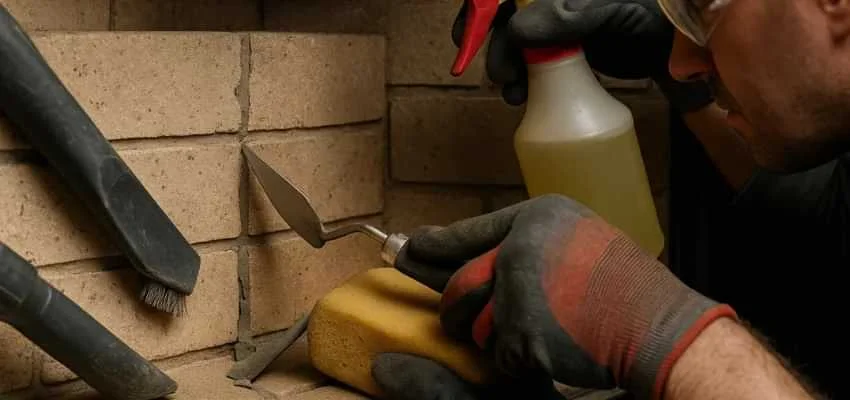
Clear the area around the fireplace well beyond the hearth: furniture, rugs, artwork above the mantel, screens, tools and anything on the mantel shelf. Stop using the fireplace a day or two before so the firebox is cold, and remove ashes if the crew asks you to. Plan a clear path from the door to the room and a spot to stage materials, such as a garage or driveway. If you are choosing finishes, have samples approved before the start date. Keep pets and children away from the work area and agree on where the crew can wash tools.
Keep up the basics: have the chimney and fireplace inspected once a year and swept when needed, burn only dry, seasoned wood and keep the damper closed when the fireplace is not in use, unless it serves gas logs that need it open. Clean new stone or tile with products suited to the material, since harsh cleaners can stain or etch them. Avoid hanging heavy items from a new mantel unless it was built for that load. Check the firebox walls now and then for new cracks. A small problem caught early, like a single loose firebrick, is a quick fix rather than a project.
When homeowners show us competing quotes, the gap usually comes from scope. One quote may cover a new surround but say nothing about the cracked firebricks behind it; another includes the repair and the curing time. We suggest laying them side by side and asking three questions of each: what exactly is being fixed, what exactly is being installed and what happens if something unexpected turns up when the old finish comes off. Clear, specific answers point to a contractor who has thought the job through. Vague ones usually mean extras later.
Choose a contractor who inspects before quoting, explains the plan in plain language and shows photos of similar finished work. Fireplace projects mix trades, so ask who does the masonry, who handles any gas work and whether a qualified gas technician is involved for conversions. A written quote should list materials, curing or waiting time and how surprises are handled. Read recent reviews for comments on tidiness, communication and whether jobs finished on schedule. Be wary of anyone who wants to cover a damaged firebox or smoke chamber with a new finish without fixing it.
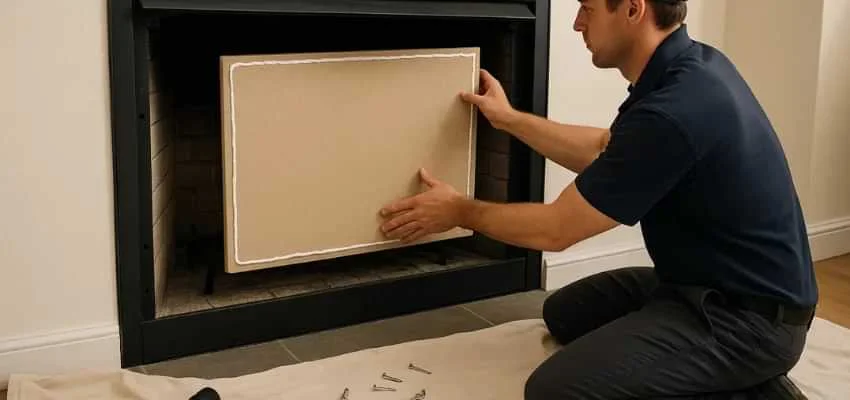
We protect the work area, clean up before we leave and tell you what we found in words that make sense. You end the visit knowing the state of your fireplace. Book firebox brick repair with Chimney Sweep Mission when it suits you.
Flue last swept long ago? Chimney Cleaning in Mission
Chimney Sweep visits that leave Mission living rooms clean
What's included in Chimney Sweep Services around Mission?
What Fireplace Experts check in your Mission chimney
Logs lifted, embers reset: Gas Fireplace Cleaning near Mission
Yearly Gas Fireplace Maintenance in Mission, before the cold arrives