A few quick answers help us understand your home, so we can give you a clear, upfront quote for Chimney Sweep Services Mission
A chimney does its work out of sight, carrying smoke and combustion gases up and away while most of its inner surfaces stay hidden behind brick, metal or drywall. That is why so many questions come up once someone starts looking into “chimney sweep services”. Below, you will find direct answers about chimney sweeping for properties in Mission, written by people who spend their days on roofs and at hearths. There is no jargon here and no pressure, just the practical side of the job.
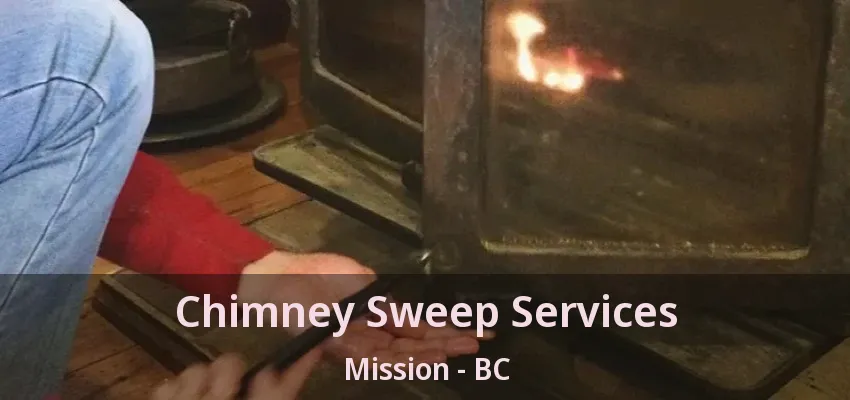
A basic sweep brushes the flue and clears what falls into the firebox. A full service goes further: it cleans the smoke chamber and damper, removes debris from the smoke shelf, checks the cap, crown and flashing and usually includes a camera look and written notes on condition. Some companies also include small adjustments, such as freeing a sticky damper or tightening a loose cap. When comparing “chimney sweep services”, ask which version a quote describes, because two offers with the same name can cover very different amounts of work and very different levels of detail afterward.
The clearest sign a chimney needs sweeping is black, flaky buildup you can see on the damper or falling into the firebox. Other clues often show up alongside it:
Any one of these is worth a check. Two or three together usually mean the flue is overdue.
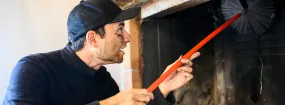
During a chimney sweep, the technician scrubs the inside of the flue from top to bottom and removes the loosened buildup without spreading it through the room. A typical visit starts with drop cloths around the hearth and a powerful vacuum set up at the fireplace or stove opening. Brushes sized to the flue are run through on flexible rods, from below, from the roof or both. The smoke chamber, damper and firebox are cleaned as well. Most sweeps finish by checking the cap and the visible parts of the chimney and telling you what they saw, including anything that needs attention later.
Hardened, glazed creosote is usually removed with rotary tools that scrape the flue wall, with chemical products that soften it over several fires, or with both, because an ordinary brush simply slides over its glassy surface. It forms when cool, smoky fires leave layer after layer of tar that bakes hard. Removal often takes more than one visit, and you may be asked to burn a few fires after a chemical application before the technician returns to finish. Sometimes the glaze is so thick, or the liner so damaged beneath it, that replacing the liner is the more sensible option. Ask for photos before and after.
A common guideline is to have a chimney inspected once a year and swept whenever that inspection finds meaningful buildup, which for a fireplace or stove used regularly usually means about once a year. Heavy users, such as households heating mainly with wood, may need sweeping more than once per season. A fireplace lit only a few times each winter may go longer between sweeps, yet it still benefits from the yearly look, because nests, water damage and cracks have nothing to do with how often you burn. Many sweeps regard about an eighth of an inch of buildup as the point where cleaning is due.
Both approaches are common. Some companies set a base price for the first flue and add a smaller amount for each additional flue on the same chimney, while others quote the visit as a whole once they know the setup. Extras such as camera inspections, written reports, insert removal, heavy creosote work or cap installation are often itemized. Neither model is unfair in itself; what matters is that the quote is written and complete. Ask how “chimney sweep services” are priced before the visit, and whether anything found on the day would change the figure.
Describe the appliance, the building and what prompted the call, because those three details decide which tools and how much time the visit needs. Say whether it is an open fireplace, an insert, a wood stove or a gas appliance, how many flues the chimney has and roughly how tall the building is. Mention the roof type and anything that makes access tricky, such as a steep pitch or a locked gate. Add when the chimney was last swept, if you know, and anything unusual: smells, smoke, sounds, water stains or an animal. A photo of the chimney top helps too.
Look for a company whose technicians explain what they are doing as they do it; in our experience, that habit says more than any advertisement. Good chimney work is mostly visible only to the person on the roof, so the way a company shares photos, measurements and findings is your window into its standards. Ask how it protects floors and furniture, whether a camera check is included and who will actually come. Notice whether it separates urgent issues from ones that can wait. How a company handles your first phone call tends to match how it will handle your chimney.
The biggest advantage of a chimney company that works nearby is familiarity with the buildings, weather and chimney styles of your area. Neighborhoods built in the same era tend to share construction details, so a nearby technician has likely seen your type of chimney many times. Local crews can also schedule more flexibly and return easily if a cap needs adjusting or you have a question later. Before booking, confirm the company works in your area itself rather than passing the job along, and ask for a clear arrival window. Recent reviews from nearby addresses are a useful check.
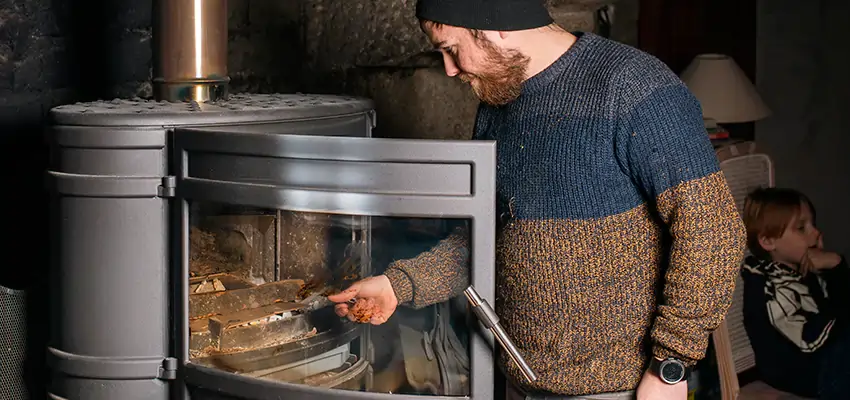
A good visit looks at the whole system around your chimney, not just the part you asked about. That is how Chimney Sweep Mission approaches every home in Mission. Book chimney sweeping and get a complete, honest overview of where things stand.
Flue last swept long ago? Chimney Cleaning in Mission
Chimney Sweep visits that leave Mission living rooms clean
What's included in Chimney Sweep Services around Mission?
What Fireplace Experts check in your Mission chimney
Logs lifted, embers reset: Gas Fireplace Cleaning near Mission
Yearly Gas Fireplace Maintenance in Mission, before the cold arrives