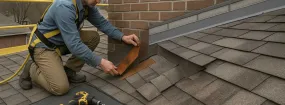
A few quick answers help us understand your home, so we can give you a clear, upfront quote for Chimney Repair Mission
Chimney work comes with its own vocabulary: crowns, chases, flashing, flue liners, dampers and more. You do not need to memorize any of it to make a sound decision, but a little background helps. If you looked up “chimney repair”, the answers here turn the jargon into practical advice for homes in Mission and explain what chimney and masonry repair actually changes, so your conversation with any contractor feels a lot less like guesswork.
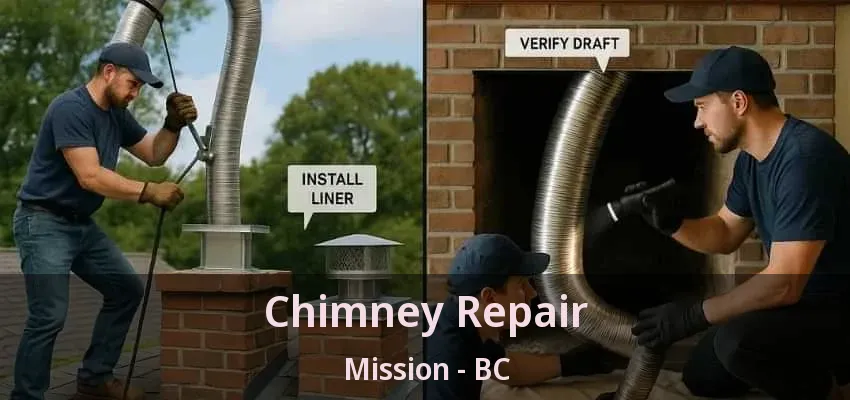
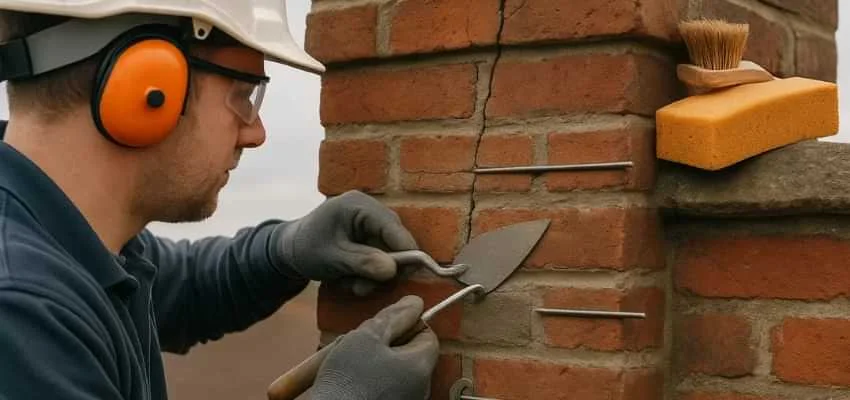
It depends on how deep the damage goes, not on how bad the surface looks. Spalled faces and eroded joints on an otherwise solid chimney are a repair job: fresh mortar, a few replacement bricks and attention to wherever the water is getting in. When the top courses rock under light pressure, when cracks run through bricks rather than just mortar, or when the stack has started to lean, patching only delays the inevitable. In those cases we take the chimney down to a sound course and rebuild upward. You should always see the evidence, ideally in photos, before agreeing to a rebuild.
Yes. A chimney fire can reach very high temperatures inside the flue in a short time, enough to crack clay tiles, warp a metal liner, damage mortar joints and scorch nearby framing, even if it lasted only minutes. Many chimney fires go unnoticed and are recognized later by a remembered roaring sound, flakes of puffy creosote on the roof or ground or a warped cap. After any suspected fire, keep the fireplace cold and have the flue inspected with a camera before using it again. Repairs may involve relining to restore a safe path for smoke and heat. The inspection decides the scope of any chimney and masonry repair that follows.
The most common signs show up as water, debris or poor performance. Watch for:
Outside, look for white staining on the bricks, gaps in mortar joints and a cap or flashing that looks loose. Any one of these is worth a closer look by someone who can reach the chimney safely.
A chimney repair visit normally starts with an inspection to confirm the problem and check for anything related. The technician protects the area around the fireplace and, for exterior work, sets up ladders or roof anchors. Then the damaged part is removed or prepared, whether that means grinding out mortar, cutting away old sealant, unbolting a cap or opening a damper assembly. New materials go in, and the work is checked for fit and weathertightness. At the end you should see the finished work or photos of it and hear about anything else that turned up along the way.
The cost of chimney repair depends mostly on the part being fixed, how much damage there is and how hard the chimney is to reach. A tall chimney on a steep roof needs more equipment and time than a short one on a gentle slope. Materials vary too: stainless steel, copper and custom-sized parts cost more than standard ones, and masonry work depends on how many joints or bricks are involved. Hidden damage found once work begins, such as rotted framing under a chase cover, can add to the total. A written quote that spells out the scope makes comparisons easier.
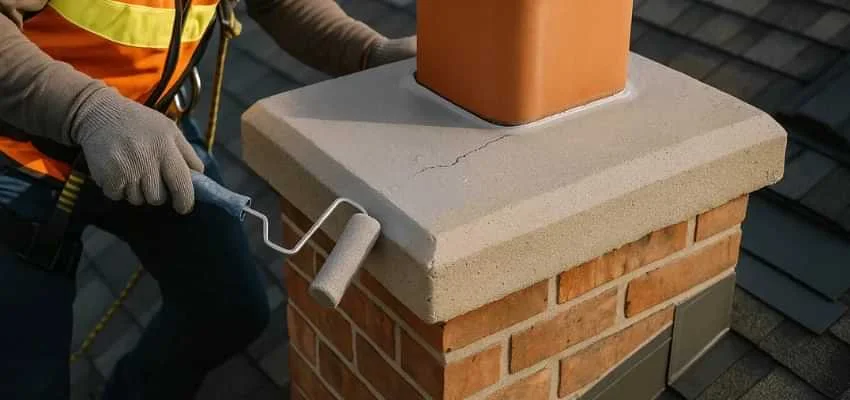
It depends on the problems, your budget and the season. Anything letting water in or affecting safety, such as a missing cap, a cracked crown, bad flashing or a damaged liner, should come first, because those problems make everything else worse. Cosmetic work, like improving the look of weathered brick, can usually wait. Grouping roof-level jobs into one visit often saves on setup and access, so if several items are due soon, doing them together may make sense. Ask anyone quoting “chimney repair” work to rank each item by urgency so you can plan with confidence.
Anything from a morning to several days, depending on the part, the access and the material. A damper repair or cap swap rarely keeps us past lunch. Flashing and chase covers depend on the roof, so a steep pitch or fragile shingles add hours. Masonry is the slow one, not because the work itself drags but because mortar and crown concrete need dry, mild weather and time to firm up between steps. A full rebuild above the roofline can stretch over several visits. When we quote, we give you a working estimate and tell you plainly what could push it longer, such as hidden damage.
Mention what the chimney is made of, what it serves and what you have noticed, because a few details on the phone save a lot of time on the roof. We ask which appliances use the flue, how many stories the house has and how steep the roof is. We ask what you have seen: a stain, debris in the firebox, a stuck handle, a rattling cap, smoke in the room. We ask when it started and whether a roofer or another contractor worked nearby recently. Two quick phone snapshots, one of the chimney top from the yard and one of the problem area inside, often tell us which parts and ladders to bring on the first trip.
A local company is often the practical choice because it knows the housing styles, roof types and weather your chimney deals with. Builders in the same area often used similar chimney designs, so a nearby crew may already know where yours is likely to fail. Local service also makes it easier to schedule follow-up visits, check a repair after the first big storm or answer a question months later. Before booking, confirm the company works in your area with its own crew, and ask how it handles return visits if something needs adjusting.
Once you know the work is due, the next step is simple. Tell us a little about your chimney and the days that suit you, and we will suggest a time that works. Request a quote and the Chimney Sweep Mission team will follow up with details.
Flue last swept long ago? Chimney Cleaning in Mission
Chimney Sweep visits that leave Mission living rooms clean
What's included in Chimney Sweep Services around Mission?
What Fireplace Experts check in your Mission chimney
Logs lifted, embers reset: Gas Fireplace Cleaning near Mission
Yearly Gas Fireplace Maintenance in Mission, before the cold arrives