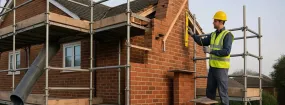
A few quick answers help us understand your home, so we can give you a clear, upfront quote for Chimney Repair Near Me Mission
Our crews hear the same questions on almost every roof and in almost every living room, so we wrote them down. If “chimney repair near me” is what brought you here, you will find honest explanations of chimney repair for homes around Mission, the kind a technician would give while pointing at the chimney itself. Some answers deal with safety, some with cost factors and timing, and a few simply explain how the parts of a chimney work together.
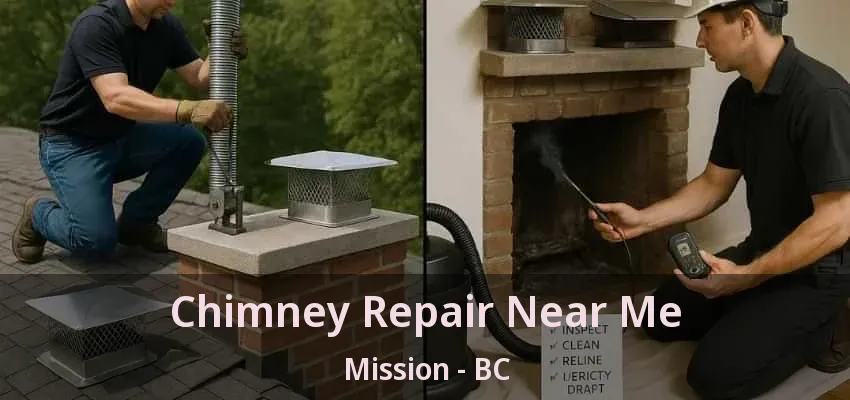
A masonry chimney has more parts than most people realize, and each one can need repair on its own. From the top down, you will usually find:
Inside the house sit the damper, the smoke chamber, the firebox and sometimes an ash dump. Factory-built chimneys swap the brick for a metal flue inside a framed chase with a metal cover on top.
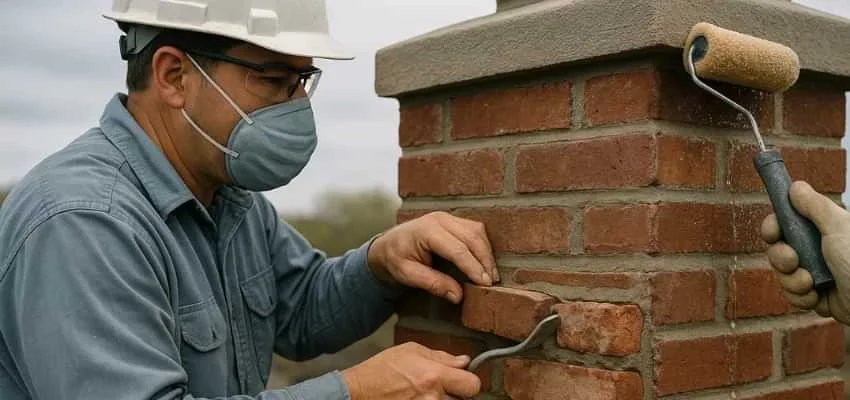
Most chimneys can be repaired, and a rebuild only makes sense when the structure itself is no longer sound. Repairs cover jobs like replacing damaged bricks, repointing worn mortar, building a new crown or resealing flashing. A partial or full rebuild comes into play when the chimney leans, when many bricks are crumbling at once, when mortar has failed deep inside the stack or when the top courses move by hand. The usual approach is to save whatever is solid and rebuild only the section that cannot be saved, which is often the part above the roofline.
It depends on the part being repaired. Caps, crowns, flashing, upper masonry, chase covers, chimney fans and top-sealing dampers are reached from the roof or from ladders set against the chimney. Throat dampers, fireboxes, ash dumps, cleanout doors and many vent connections are handled from inside the house or at ground level. Roof work is planned around the weather, the pitch of the roof and safe ladder placement. Homeowners should not climb up to inspect or repair a chimney themselves; binoculars from the yard or the technician’s photos will tell you what you need to know.
A clear hearth, a cold fireplace and room for a ladder cover most of what we need. We lay drop cloths in front of the fireplace, so a few feet of open floor helps, and glass doors or screens may need to come off. Outside, our ladders go on firm, level ground near the chimney; parked cars, garden beds and stored items in that spot slow the setup. We also like to know where the attic hatch or basement access is if the repair could involve them. Pets are happier in a closed room, since we will be going in and out of doors often.
The first visit is usually an inspection and estimate. The technician asks what you have noticed, looks at the fireplace and any stains inside, then checks the chimney from the roof or a ladder, often taking photos. If the problem is small, such as a loose cap, it may be fixed on the spot with your approval. Larger work is quoted in writing, with the materials, timing and any weather constraints explained. Expect the visit to take under an hour for a typical home, longer if the attic or a camera inspection of the flue is involved. Have your questions about chimney repair timing ready.
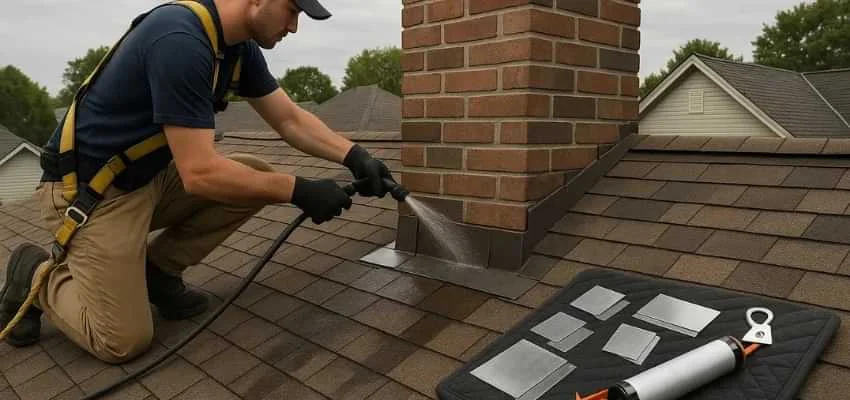
Compare the scope first, because most differences we see between quotes come from what is included, not from skill. One company may plan to coat a cracked crown; another may rebuild it. One includes new flashing; another reseals the old metal. Before choosing, line the quotes up and ask each company the same three questions: what exactly is being fixed, what is causing the problem and what is the plan if more damage turns up. The answers usually explain the price gap. A quote that deals with the cause, not just the symptom, generally gives more value over time, even when it is not the lowest figure on the table.
Choose a chimney repair company that inspects before it quotes, explains the cause of the problem and shows you evidence such as photos. A good company will tell you what it plans to fix, what materials it will use and what the work will not cover. Ask whether its own crew does the work, how it protects your home and roof and how it handles hidden damage found mid-job. Read recent reviews for comments about communication and clean-up. Be cautious about anyone who wants a large rebuild without showing why, or who only offers to coat everything with sealant.
A search for “chimney repair near me” is a sensible start, but narrow the results with a few checks. Look for companies that list your town or neighborhood and describe chimney repairs specifically, not only sweeping. Call two or three and ask what they need to know before giving a figure; good ones ask about the chimney type, the roof and what you have noticed. Read recent reviews for comments on punctuality and clean-up. Ask whether they can look at the chimney soon, even if the repair itself has to wait for suitable weather. Clear answers on the phone are a good sign.
The questions that matter most are about cause, scope and surprises, and any capable chimney company can answer them in plain words. Cause: why is this happening, and how do you know? Scope: which parts are included, which materials, and is the chimney top part of the job? Surprises: what happens if rotten framing or a cracked flue tile turns up halfway through? It is also fair to ask who will be on your roof, how long new mortar needs before a fire and how the site will be left. We welcome these questions, because they lead to fewer misunderstandings later.
A recent look at the parts of a home buyers ask about can make a sale go more smoothly. We can fit chimney repair around showings, inspections or move-in dates. Tell us your timeline and we will plan around it.
Flue last swept long ago? Chimney Cleaning in Mission
Chimney Sweep visits that leave Mission living rooms clean
What's included in Chimney Sweep Services around Mission?
What Fireplace Experts check in your Mission chimney
Logs lifted, embers reset: Gas Fireplace Cleaning near Mission
Yearly Gas Fireplace Maintenance in Mission, before the cold arrives