A few quick answers help us understand your home, so we can give you a clear, upfront quote for Chimney Remodel Mission
A chimney has to cope with two hard jobs at once: weather on the outside, and heat and exhaust on the inside. Most specialty chimney work comes down to helping it do one or both of those jobs better. For anyone in Mission researching “chimney remodel”, this page walks through chimney renovation step by step, from the first signs that something is needed to the care that keeps the result in good shape.
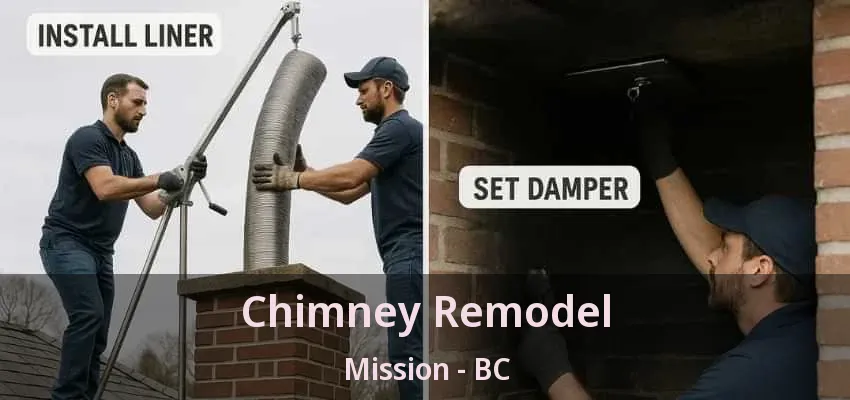
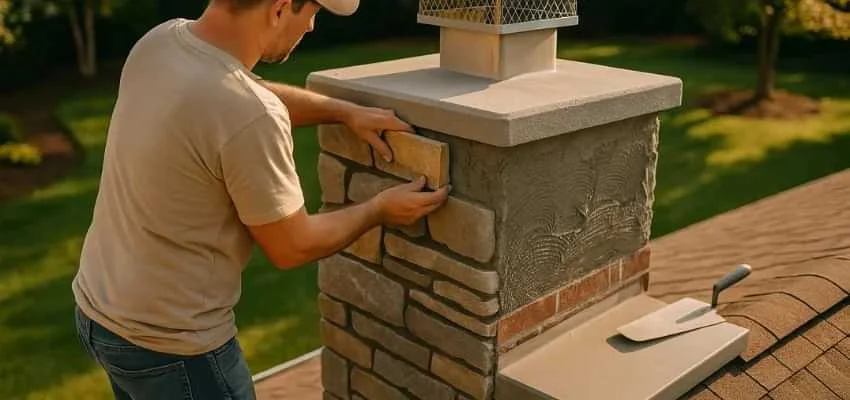
A remodel involves changing a chimney’s look, its function or both, and most of the projects we see start from one of those two goals. Looks-driven projects might mean new stone veneer, a fresh brick face, decorative corbels or pots. Function-driven projects might mean raising the stack to improve draft, relining for a new insert or taking down a chimney that no longer serves anything. Often the two overlap. Our job is to make sure the new look does not trap water, add more weight than the structure can carry or interfere with how the appliance vents.
Yes. A chimney that no longer serves any appliance can be taken down below the roofline, with the roof patched over, or capped at the top so rain and animals stay out while the structure remains. Full removal through the house is a bigger job because it affects floors, walls and sometimes structural support, so it needs careful planning. Partial removal is common when the top section is damaged. If you keep the chimney, a vented cover helps limit moisture buildup inside. Anyone considering a “chimney remodel” project like this should confirm that nothing, including a furnace or water heater, still uses that flue.
Work that affects the inside of a chimney, such as flues, liners, dampers or appliance venting, belongs with a chimney specialist, while a roofer is the right call for the shingles around it. Chimney technicians understand draft, heat and the clearances that keep nearby wood safe, and they have the tools to inspect a flue with a camera. Many jobs sit on the border, like flashing or the part of the chimney above the roofline, and either trade may handle them. When in doubt, ask how the company would check the flue and the chimney top, not only the outside.
Expect the crew to arrive, confirm the plan with you and protect the work area before anything else. Inside, that usually means drop cloths around the fireplace and sometimes plastic sheeting over the opening. Outside, ladders or roof equipment are set up and the area below the chimney is kept clear. The main work then follows the agreed scope, with pauses for materials to set if masonry or coatings are involved. At the end, the crew should clean up, show you the finished work or photos of it and explain any care instructions, including when the fireplace can be used again.
A careful crew protects your home by covering the hearth and nearby floor, sealing the fireplace opening when soot or dust could escape and using vacuums with fine filters for any debris. Outside, tarps go over shrubs, decks and roof sections where tools or materials sit, and ladders are padded where they touch gutters or siding. Some jobs create very little mess, while others, such as removing old flue tiles, produce more. Ask what protection is planned for your job, and move valuables and furniture away from the fireplace before the crew arrives.
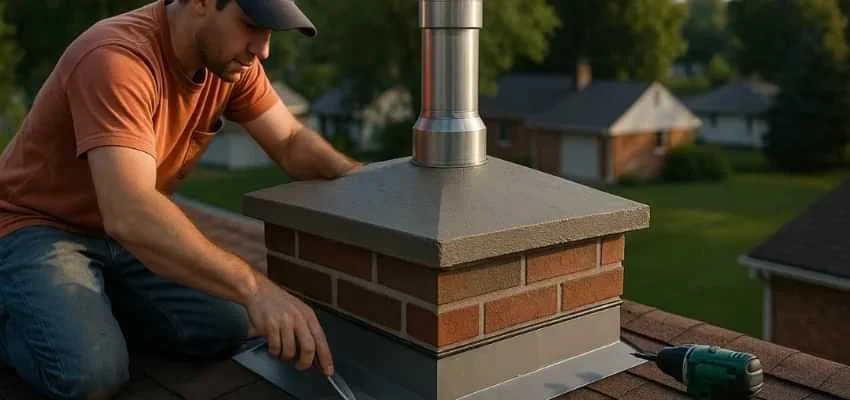
Anywhere from a short visit to several days, and we plan it around the size of the job, the access and the materials. A repellent on a dry, accessible chimney or a single pot swap is quick. A new liner or a prefab chimney through a finished ceiling and roof usually fills a day. A remodel that changes the height or face of a masonry chimney is measured in days, partly because new work has to cure before the next layer goes on. We also watch the forecast, since rain and frost decide when masonry and coatings can be done well.
Timing the two together usually saves money and gives a cleaner result. When the roof is being replaced, the area around the chimney is already open, so flashing, crickets and any change in chimney height can be handled before new shingles go on. Siding or stucco work around a chase is easier to match when both happen at once. The key is agreeing on who does what and in which order, so the chimney work is finished before roofing or siding seals it in. Share both schedules with each contractor when you plan chimney renovation.
Tell the company what the chimney is made of, what it serves and what you want done or have noticed. Mention the type of fireplace or appliance, how many stories the house has, how steep the roof is and whether the chimney is brick, stone or a framed chase. Share any history: past repairs, a chimney fire, recent roof work or a new appliance. A few photos of the chimney from the yard and of the fireplace help a lot. These details let the company bring the right parts and give you a realistic estimate.
We need three things from you: a cold appliance, a clear path and good information. Cold means no fire or stove use for a day or so, so we can work in the flue safely. A clear path covers the hearth, the route through the house and the ground where ladders go. Good information includes gate codes, where the attic hatch is, any pets at home and anything fragile on the roof, such as skylights. With those sorted, setup goes quickly and the crew can spend its time on the chimney rather than moving patio chairs.
We agree on the scope and the price before any work begins, and we check in with you if we find something that changes the plan. Request your quote for chimney renovation and see exactly what is included for your home.
Flue last swept long ago? Chimney Cleaning in Mission
Chimney Sweep visits that leave Mission living rooms clean
What's included in Chimney Sweep Services around Mission?
What Fireplace Experts check in your Mission chimney
Logs lifted, embers reset: Gas Fireplace Cleaning near Mission
Yearly Gas Fireplace Maintenance in Mission, before the cold arrives