A few quick answers help us understand your home, so we can give you a clear, upfront quote for Chimney Liner Services Mission
A chimney stands out in the open all year, taking rain, wind, sun and, in many places, hard freezes with no shelter at all. Sooner or later something on it needs attention, whether that is a loose cap, a tired mortar joint or a part inside the flue. If you searched for “chimney liner services”, this page gathers the questions homeowners in Mission ask most often about chimney liner service, answered plainly so you can judge what your own chimney needs and what can wait.
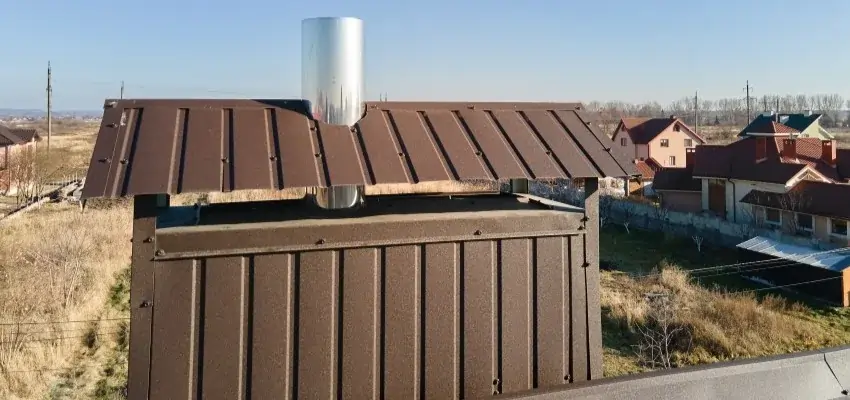
A chimney’s parts fall into three groups: the weatherproofing outside, the flue liner inside and the working parts at the bottom. Weatherproofing means the cap, the crown, the flashing and the face of the bricks and mortar. The liner is the channel that handles heat and corrosive exhaust. Down at hearth level are the pieces people actually touch, such as the damper handle, the firebox walls and the ash dump door. On a prefab system, a framed chase and its sheet metal top replace the brick. When we diagnose a problem, we trace it to one of these groups first, because that decides what the fix looks like.
Most signs of a damaged chimney liner are subtle, which is why a camera inspection is the usual way to confirm it. Clues you might notice include pieces of clay tile or flakes of mortar in the firebox, smoke or a smoky smell in rooms beside the chimney, weak draft that was not there before and moisture or staining on walls near the flue. A chimney fire, even a brief one, can crack clay tiles without leaving any visible sign outside. If you notice any of these, stop using the appliance on that flue and have the liner checked before the next fire.
Often it does. Every appliance needs a flue of the right size and material, and the old liner was sized for whatever used it before. A wood stove insert placed in a fireplace usually needs a stainless liner running from the insert to the top of the chimney. A gas furnace or water heater may need a smaller liner suited to its cooler, wetter exhaust. Skipping this step can cause poor draft, condensation damage or exhaust spilling indoors. When you plan an appliance change and look into “chimney liner services”, share the appliance details so the liner can be matched before installation day.
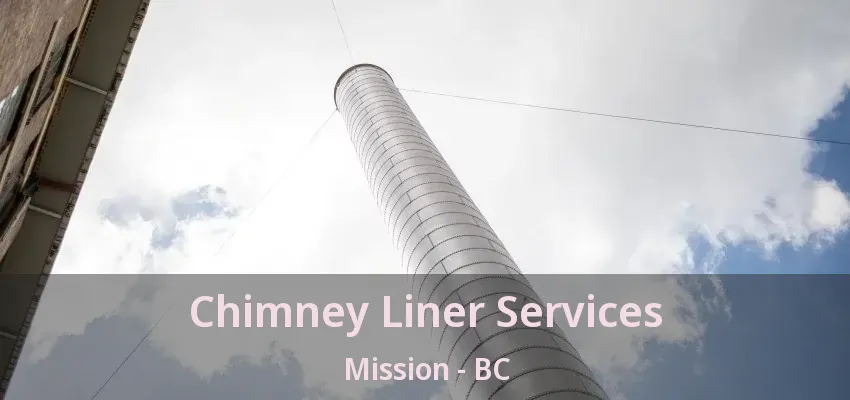
Clay tile, stainless steel and cast-in-place are the three options, and most relining jobs we do use stainless steel, because a sized, insulated metal liner can be dropped into an existing flue without tearing the chimney apart. We start by inspecting and cleaning the flue, then measure it to confirm what will fit and what the appliance needs. The liner is fed down from the roof, connected to the fireplace, stove or appliance at the bottom and sealed with a top plate and cap. Cast-in-place systems are an option when the old flue needs strengthening, and replacing individual clay tiles can work for limited damage. We explain which suits your flue and why.
A chimney repair visit normally starts with an inspection to confirm the problem and check for anything related. The technician protects the area around the fireplace and, for exterior work, sets up ladders or roof anchors. Then the damaged part is removed or prepared, whether that means grinding out mortar, cutting away old sealant, unbolting a cap or opening a damper assembly. New materials go in, and the work is checked for fit and weathertightness. At the end you should see the finished work or photos of it and hear about anything else that turned up along the way.
The fireplace or appliance on that flue is out of use for the visit and sometimes for a short time after. The crew usually cleans the flue first, then works from the roof to lower the liner and from inside to connect it, so expect drop cloths at the hearth and someone on the roof for much of the day. Many single-flue relines are finished in one visit, while chimneys needing tile removal or cast-in-place work take longer. Plan around the heating season if possible. Before booking “chimney liner services”, ask when the appliance can safely be used again and what the crew will need from you.
A clear hearth, a cold fireplace and room for a ladder cover most of what we need. We lay drop cloths in front of the fireplace, so a few feet of open floor helps, and glass doors or screens may need to come off. Outside, our ladders go on firm, level ground near the chimney; parked cars, garden beds and stored items in that spot slow the setup. We also like to know where the attic hatch or basement access is if the repair could involve them. Pets are happier in a closed room, since we will be going in and out of doors often.
The repairs we make hold up longest when the rest of the chimney system is looked after too. That means a cap that stays in place with clear mesh, a crown kept free of leaves and moss, flashing left alone by anyone doing roof work and regular sweeping if you burn wood, because creosote and moisture attack the inside of the flue. We tell homeowners exactly how long to wait before the first fire after masonry work. After that, a glance at the chimney from the yard after big storms and a professional look once a year usually keeps surprises to a minimum.
Local crews know the chimneys in the area, and that knowledge saves time and guesswork. Working the same streets season after season, we learn which subdivisions have tall chimneys on steep roofs, which builders used flat chase covers that rust and which older districts still have original clay liners. That history makes the first diagnosis faster and quotes more accurate. Being close by also means we can come back to check a repair after heavy rain without it becoming a major trip. When you call Chimney Sweep Mission, you reach people who work on chimneys around Mission every week.
Not every issue makes a noise or a smell before it grows. A routine look at your chimney is the simplest way to find out where things stand. Call (778) 745-4769 and book chimney liner service with the Chimney Sweep Mission team.
Flue last swept long ago? Chimney Cleaning in Mission
Chimney Sweep visits that leave Mission living rooms clean
What's included in Chimney Sweep Services around Mission?
What Fireplace Experts check in your Mission chimney
Logs lifted, embers reset: Gas Fireplace Cleaning near Mission
Yearly Gas Fireplace Maintenance in Mission, before the cold arrives