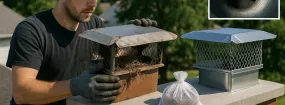
A few quick answers help us understand your home, so we can give you a clear, upfront quote for Chimney Damper Services Mission
Plenty of people only think about their chimney when the first cool evening arrives and they want a fire. Others notice a problem in spring after a wet stretch of weather. Either way, a search for “chimney damper services” usually starts with a simple question: does this need fixing now? Here you will find practical answers about chimney damper repair for homes in Mission, including what the work involves, how long it takes and how to keep the chimney sound afterward.
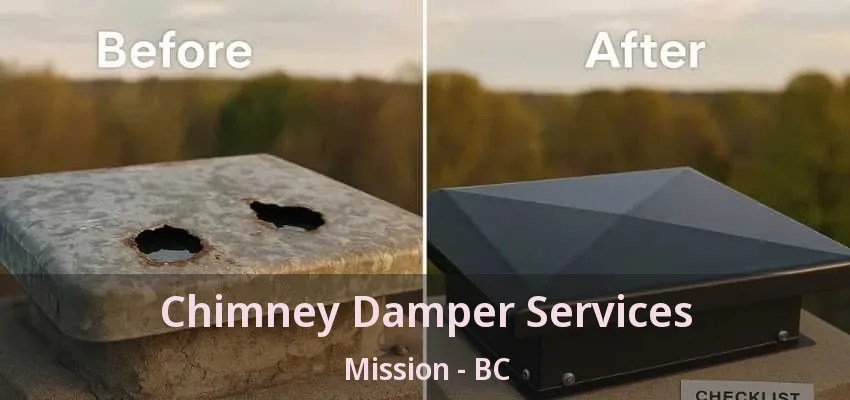
Most homes have one of two damper types. A throat damper is a cast iron or steel plate just above the firebox, opened and closed with a handle, lever or rotating knob. A top-sealing damper sits at the top of the flue and is worked by a cable that runs down into the fireplace; it closes against a gasket, which seals tightly and also keeps rain and animals out when shut. Either way, the damper should be fully open whenever a fire is burning and closed when the fireplace is not in use, so heated or cooled indoor air is not drawn up the chimney.
A closed damper that still lets in cold air is usually not sealing. Old throat dampers are metal plates resting on a metal frame, and once they warp or rust, gaps open around the edges. A damper that is not fully closed, because of creosote buildup or a bent handle, does the same. Cold air sinking down a chimney on an outside wall can also chill the firebox even when the damper is tight. If you searched for “chimney damper services” because of a drafty fireplace, a technician can check the seal with a light, adjust or repair the plate or suggest a top-sealing damper.
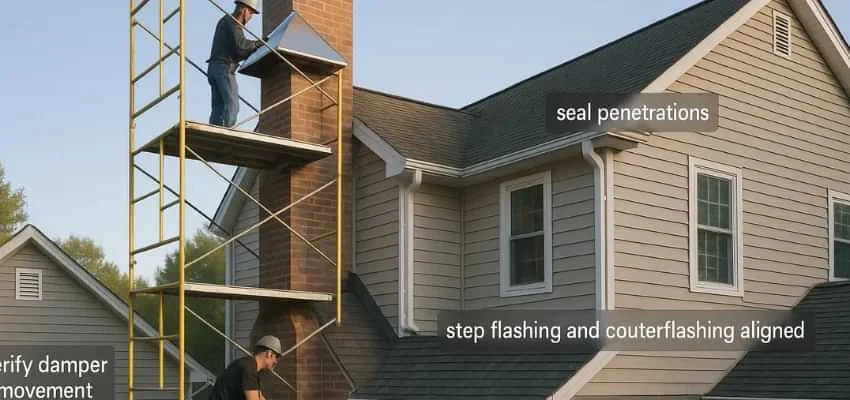
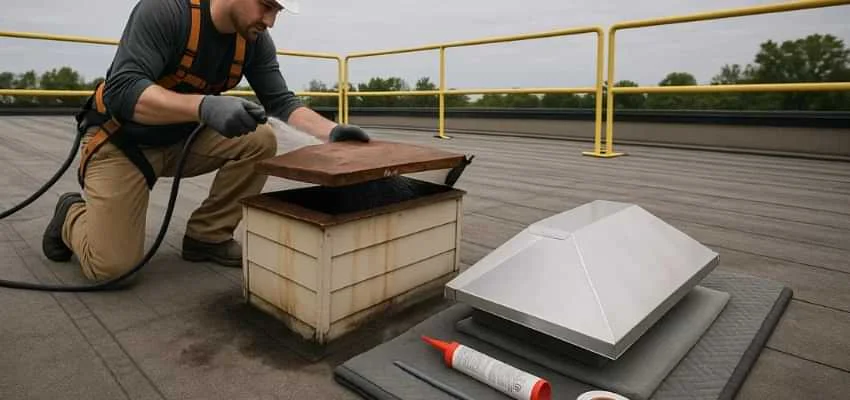
A chimney repair visit normally starts with an inspection to confirm the problem and check for anything related. The technician protects the area around the fireplace and, for exterior work, sets up ladders or roof anchors. Then the damaged part is removed or prepared, whether that means grinding out mortar, cutting away old sealant, unbolting a cap or opening a damper assembly. New materials go in, and the work is checked for fit and weathertightness. At the end you should see the finished work or photos of it and hear about anything else that turned up along the way.
We suggest once a year for most chimneys, with extra visits after anything unusual. A yearly look from the roof and up the flue shows us how earlier repairs are holding and whether anything new has appeared. Events that justify an extra check include a strong windstorm, hail, a lightning strike nearby, a roofer working around the chimney and any time an appliance is added or swapped. A chimney you never use is not exempt; some of the worst weather damage we find is on chimneys nobody has looked at in years, simply because no one noticed the warning signs inside.
Small chimney repairs, such as replacing a cap, sealing a crown or freeing a damper, often take a few hours. Mid-sized jobs like new flashing, a new chase cover or a fan installation usually fit into a day. Larger masonry work, including repointing an entire stack or rebuilding the section above the roof, can take several days, because mortar and concrete need time to set between stages. Weather adds to the schedule for anything done outside, since rain and cold delay masonry. Ask for an estimate of both working time and total calendar time before the job is booked.
When booking chimney repair, describe what you have noticed and where, because those details shape the visit. Mention whether the chimney is brick, stone or a factory-built system in a framed chase, what it serves, such as a wood fireplace, gas fireplace, stove or furnace, and roughly how tall the house is. Say when the problem started, whether it gets worse with rain or wind and whether anything has been repaired before. Pictures of the chimney from the ground and of any stains or damage inside help the company bring the right parts and give a realistic time estimate.
Preparing for chimney repair mostly means clearing access inside and out. Stop using the fireplace or stove at least a day before so the firebox and flue are cool, and move decorations, screens, tools and furniture away from the hearth. Outside, move vehicles, patio furniture, planters and grills away from the side of the house where ladders will go, and unlock any gates. Let the company know about pets, an alarm system or anything fragile near the chimney. If the job involves the attic or basement, such as tracing a leak or emptying an ash pit, clear a path there too.
Closed, once the fire is completely out and the ashes are cold. A shut damper keeps heated or cooled indoor air from escaping up the chimney and stops drafts and odors from coming down. Never close it while embers are still glowing, because smoke and carbon monoxide need a way out. The main exception is a fireplace with vented gas logs, where the damper is often fixed partly open on purpose and should be left that way. If your damper will not close fully or open reliably, booking chimney damper repair is the sensible next step before the next cold evening.
The questions that matter most are about cause, scope and surprises, and any capable chimney company can answer them in plain words. Cause: why is this happening, and how do you know? Scope: which parts are included, which materials, and is the chimney top part of the job? Surprises: what happens if rotten framing or a cracked flue tile turns up halfway through? It is also fair to ask who will be on your roof, how long new mortar needs before a fire and how the site will be left. We welcome these questions, because they lead to fewer misunderstandings later.
From townhouses to detached homes, we see a wide range of setups around Mission and plan each visit around the home in front of us. If it is time to have your chimney looked at, get in touch with Chimney Sweep Mission and we will arrange a time that suits you.
Flue last swept long ago? Chimney Cleaning in Mission
Chimney Sweep visits that leave Mission living rooms clean
What's included in Chimney Sweep Services around Mission?
What Fireplace Experts check in your Mission chimney
Logs lifted, embers reset: Gas Fireplace Cleaning near Mission
Yearly Gas Fireplace Maintenance in Mission, before the cold arrives