A few quick answers help us understand your home, so we can give you a clear, upfront quote for Chimney Cover Services Mission
Maybe you spotted a stain on the ceiling beside the fireplace, a few brick chips on the roof or a damper that will not budge. Small discoveries like these send many homeowners in Mission looking up “chimney cover services” to find out how serious the problem really is. The answers below explain how chimney cover service works, what tends to cause the damage in the first place and which details matter when you talk to a company about fixing it.
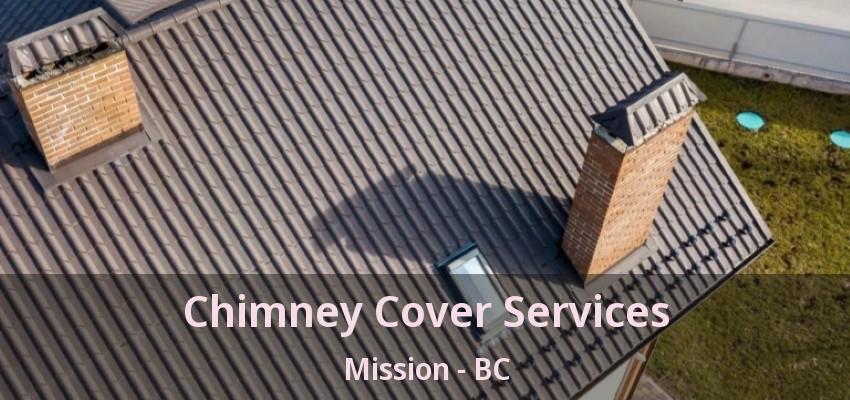
Repairs matter because chimneys tend to fail slowly at first and then expensively. We regularly open up a chimney where a minor issue, such as a missing cap or one cracked mortar joint, was left alone for a few seasons. By then, water has soaked the bricks, rusted the damper or softened the wood framing beside the stack. Work at that stage takes longer and uses far more material. Catching the same fault early usually means a short visit and a modest bill. There is a safety side too, because a damaged flue or liner can let heat and smoke escape where nobody expects them.
It depends on the damage, so the safe default is to hold off until someone has looked at it. Cosmetic problems on the outside, such as a stained brick face, rarely affect how a fireplace works. Damage inside the flue, a cracked liner, a damper stuck shut or a blocked vent is different, because smoke and hot gases may not leave the house the way they should. If you notice smoke spilling into the room, a strong smell or soot where there was none before, stop using the fireplace. Keep working carbon monoxide alarms on every level of the home either way.
We replace caps for three main reasons: corrosion, storm damage and the wrong fit. Painted or galvanized steel caps rust at the seams and screen, and once the mesh breaks apart, animals and debris walk right in. Wind and falling branches can knock a cap loose or tear it off, especially if it was held by a single screw. Fit matters too: a cap that does not match the flue can rattle loose, choke the draft or leave gaps at the sides. Sometimes the mesh is simply plugged with creosote; in that case we clean it and explain why it clogged.
A well-fitted cover with intact mesh keeps most animals out, but it only works while it stays sound. Squirrels and raccoons test weak points, so a cover with a bent corner, a torn screen or a gap at the base can be pried open. Mesh openings need to be small enough to stop birds yet large enough not to clog with soot. Checking the cover once a year, ideally during a sweep, catches damage early. If animals are already inside, they need to be removed before the cover goes on. A thorough chimney cover service visit includes checking every side of the mesh, not just the top.
It depends on the part being repaired. Caps, crowns, flashing, upper masonry, chase covers, chimney fans and top-sealing dampers are reached from the roof or from ladders set against the chimney. Throat dampers, fireboxes, ash dumps, cleanout doors and many vent connections are handled from inside the house or at ground level. Roof work is planned around the weather, the pitch of the roof and safe ladder placement. Homeowners should not climb up to inspect or repair a chimney themselves; binoculars from the yard or the technician’s photos will tell you what you need to know.
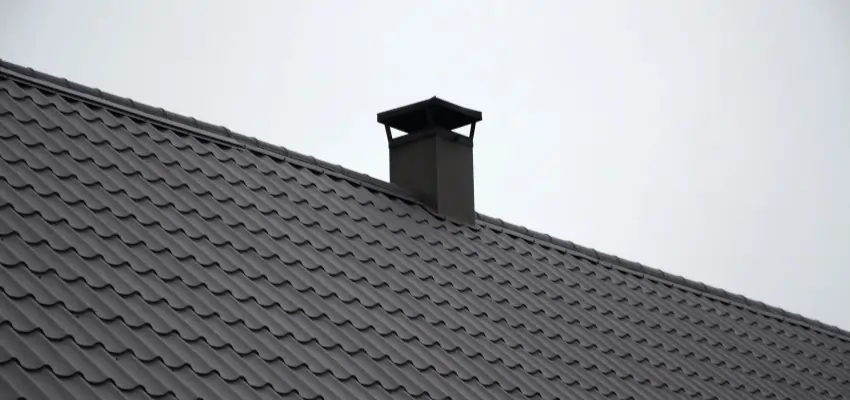
A full-width cover, sometimes called a multi-flue cap, is a single metal hood that sits over the entire top of a chimney rather than one flue. It is fastened to the crown or the outer bricks and has mesh sides all around. It makes sense when a chimney has several flues close together, when individual tiles are too short or damaged to clamp a cap to, or when the crown needs shelter from direct rain. It does not replace crown repair, though. If you are considering one through “chimney cover services”, ask how it will be anchored and whether the flues keep enough clearance below the hood.
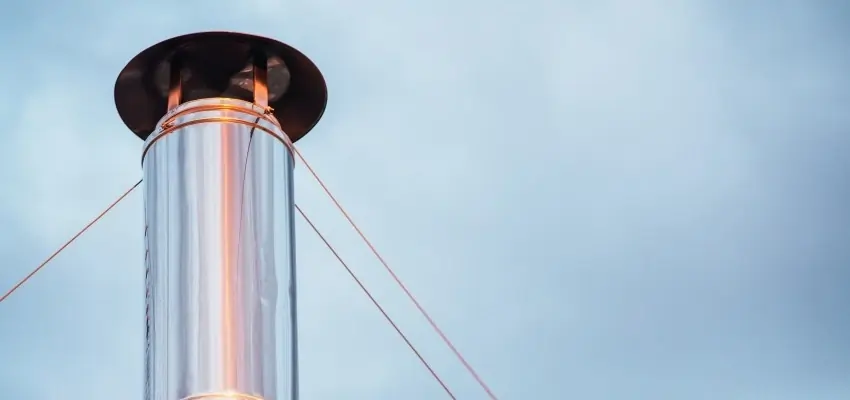
Chimney caps come in a few main materials and styles. Stainless steel is a common choice because it resists rust for many years; copper looks distinctive and also lasts a long time; galvanized or painted steel costs less up front but tends to rust sooner. Single-flue caps fit over one flue tile, while multi-flue or full-width caps cover the whole top of the chimney. Mesh size matters too, since very fine screens clog faster. A new cap is measured to the flue or crown and fastened securely so wind cannot lift it, which is why careful measuring comes before ordering.
Anything from a morning to several days, depending on the part, the access and the material. A damper repair or cap swap rarely keeps us past lunch. Flashing and chase covers depend on the roof, so a steep pitch or fragile shingles add hours. Masonry is the slow one, not because the work itself drags but because mortar and crown concrete need dry, mild weather and time to firm up between steps. A full rebuild above the roofline can stretch over several visits. When we quote, we give you a working estimate and tell you plainly what could push it longer, such as hidden damage.
The repairs we make hold up longest when the rest of the chimney system is looked after too. That means a cap that stays in place with clear mesh, a crown kept free of leaves and moss, flashing left alone by anyone doing roof work and regular sweeping if you burn wood, because creosote and moisture attack the inside of the flue. We tell homeowners exactly how long to wait before the first fire after masonry work. After that, a glance at the chimney from the yard after big storms and a professional look once a year usually keeps surprises to a minimum.
Renovations, inspections and sales are all good reasons to check the parts of a home that are usually out of sight. We can fit the visit around your contractors or your listing date. Request a quote for chimney cover service and mention your timeline.
Flue last swept long ago? Chimney Cleaning in Mission
Chimney Sweep visits that leave Mission living rooms clean
What's included in Chimney Sweep Services around Mission?
What Fireplace Experts check in your Mission chimney
Logs lifted, embers reset: Gas Fireplace Cleaning near Mission
Yearly Gas Fireplace Maintenance in Mission, before the cold arrives