A few quick answers help us understand your home, so we can give you a clear, upfront quote for Chimney Ash Dump Services Mission
It is easy to think of a chimney as a fireplace accessory, but it is also part of the roof, the walls and the frame of the house. When one piece fails, water and heat can reach places they were never meant to go. For homeowners in Mission who typed “chimney ash dump services” into a search bar, the answers on this page explain ash dump service in everyday language, from the first warning signs to what happens once the work is done.

It depends on the damage, so the safe default is to hold off until someone has looked at it. Cosmetic problems on the outside, such as a stained brick face, rarely affect how a fireplace works. Damage inside the flue, a cracked liner, a damper stuck shut or a blocked vent is different, because smoke and hot gases may not leave the house the way they should. If you notice smoke spilling into the room, a strong smell or soot where there was none before, stop using the fireplace. Keep working carbon monoxide alarms on every level of the home either way.
Water in an ash pit usually means the chimney above is letting rain in, often through a missing cap, a cracked crown or failing flashing, and the moisture can rust the doors and turn the ash heavy and sour-smelling. Droppings, nesting material or scratching sounds suggest a cleanout door that no longer closes tightly or a gap in the masonry near the ground. Either finding is a reason to look beyond the pit itself. During ash dump service, the technician should trace the source, not just shovel out the mess, so the problem does not return within a season.
The most common signs show up as water, debris or poor performance. Watch for:
Outside, look for white staining on the bricks, gaps in mortar joints and a cap or flashing that looks loose. Any one of these is worth a closer look by someone who can reach the chimney safely.
Yes, in most fireplaces. Ash dump doors come in several common sizes, usually cast iron, and many have a pivoting lid that sits in a frame set into the firebox floor. If only the lid is missing or bent, a matching lid can often drop into the existing frame. If the frame itself is cracked or loose, it is chipped out and a new one is set in refractory mortar. The cleanout door at the bottom of the pit can be replaced the same way. Homeowners searching for “chimney ash dump services” can speed things up by measuring the opening or sending a photo.
Small chimney repairs, such as replacing a cap, sealing a crown or freeing a damper, often take a few hours. Mid-sized jobs like new flashing, a new chase cover or a fan installation usually fit into a day. Larger masonry work, including repointing an entire stack or rebuilding the section above the roof, can take several days, because mortar and concrete need time to set between stages. Weather adds to the schedule for anything done outside, since rain and cold delay masonry. Ask for an estimate of both working time and total calendar time before the job is booked.
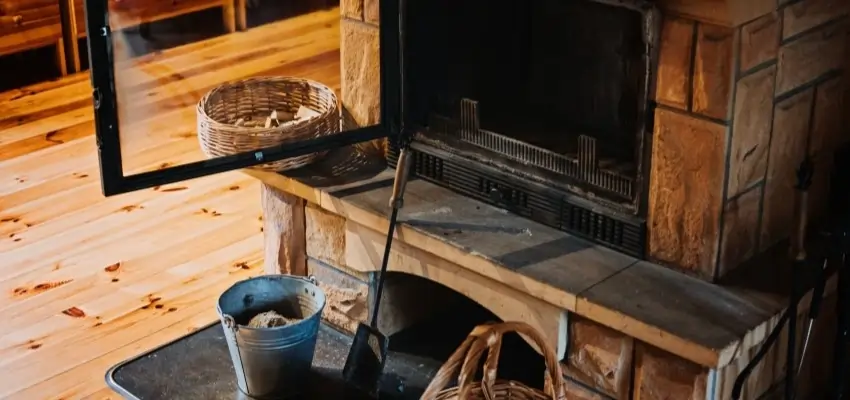
A clear hearth, a cold fireplace and room for a ladder cover most of what we need. We lay drop cloths in front of the fireplace, so a few feet of open floor helps, and glass doors or screens may need to come off. Outside, our ladders go on firm, level ground near the chimney; parked cars, garden beds and stored items in that spot slow the setup. We also like to know where the attic hatch or basement access is if the repair could involve them. Pets are happier in a closed room, since we will be going in and out of doors often.
To clean out an ash dump, wait until the ashes are completely cold, which can take several days after a fire, then sweep them through the dump door and empty the pit from the cleanout door below. Shovel the ashes into a metal container with a tight lid and set it outdoors on a non-combustible surface away from the house. Do not use a household vacuum on ash, since fine dust and hidden embers can damage it or start a fire. Empty the pit well before it fills, and close both doors firmly afterward. If either door is stuck or rusted, have it repaired.
Pick the company that gives you specifics. One that knows chimneys asks what yours is made of and what burns in it before giving a figure, and it talks about the cause of a problem rather than just the symptom. On site, it should take photos from the roof and inside the flue, lay out the options and let you decide without pressure. Tidy work matters, since soot and mortar dust travel. Ask how follow-up questions are handled once the job is done, and whether the same crew will come back if something needs a second look.
A local company is often the practical choice because it knows the housing styles, roof types and weather your chimney deals with. Builders in the same area often used similar chimney designs, so a nearby crew may already know where yours is likely to fail. Local service also makes it easier to schedule follow-up visits, check a repair after the first big storm or answer a question months later. Before booking, confirm the company works in your area with its own crew, and ask how it handles return visits if something needs adjusting.
A new address is a good moment to find out the real condition of your chimney, since previous owners rarely leave notes. Chimney Sweep Mission can take a look and tell you what is fine and what deserves attention. Book a visit while you are settling in.
Flue last swept long ago? Chimney Cleaning in Mission
Chimney Sweep visits that leave Mission living rooms clean
What's included in Chimney Sweep Services around Mission?
What Fireplace Experts check in your Mission chimney
Logs lifted, embers reset: Gas Fireplace Cleaning near Mission
Yearly Gas Fireplace Maintenance in Mission, before the cold arrives