A few quick answers help us understand your home, so we can give you a clear, upfront quote for Chimney Air Vent Services Mission
Think of this page as a reference you can come back to. It collects common questions about chimney air vent service from homeowners around Mission and answers each one directly, with the reasoning behind it. Whether you landed here after typing “chimney air vent services” or someone who recently had their chimney fixed sent you the link, you should leave with a clearer idea of what needs doing, what can wait and what to ask before any work begins.
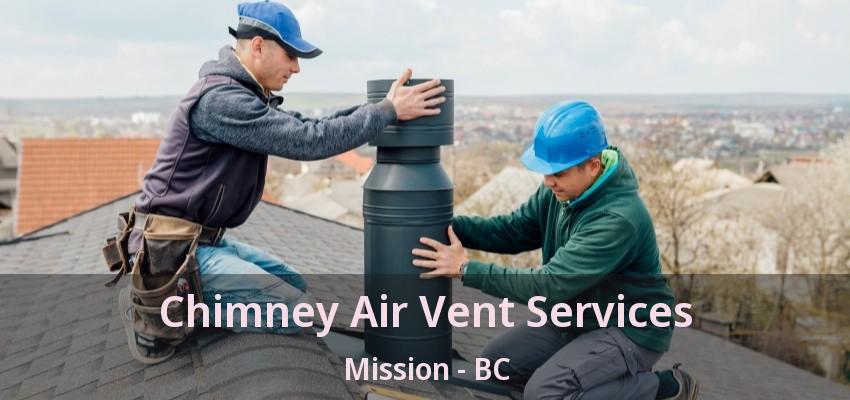
Repairs matter because chimneys tend to fail slowly at first and then expensively. We regularly open up a chimney where a minor issue, such as a missing cap or one cracked mortar joint, was left alone for a few seasons. By then, water has soaked the bricks, rusted the damper or softened the wood framing beside the stack. Work at that stage takes longer and uses far more material. Catching the same fault early usually means a short visit and a modest bill. There is a safety side too, because a damaged flue or liner can let heat and smoke escape where nobody expects them.
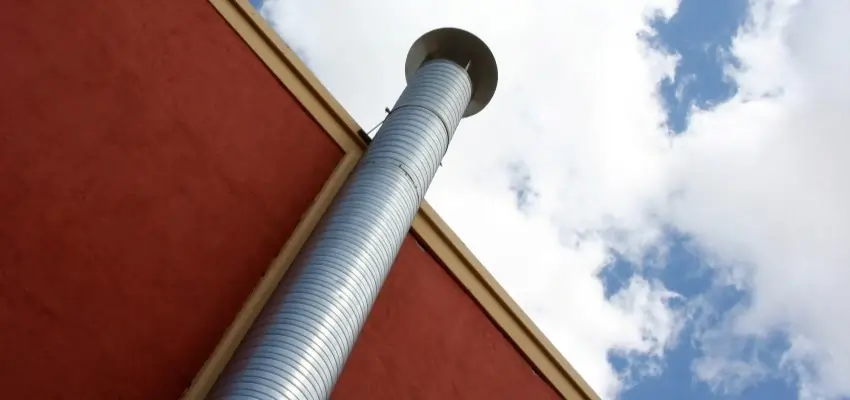
A chimney air vent is any opening or pipe that moves air to or from the fireplace system, and in practice we see two kinds. Fresh-air inlets for fireplaces and stoves often have a small flap that sticks, a screen clogged with debris or a duct crushed during a renovation. Appliance vent connectors, the pipes running from a furnace or water heater into the chimney, can rust, sag or separate at a joint. We check both for a clear path and a tight fit. Anything involving a gas appliance stays with a qualified gas technician, and a smell of gas means leaving the house and calling the utility from outside.
A masonry chimney has more parts than most people realize, and each one can need repair on its own. From the top down, you will usually find:
Inside the house sit the damper, the smoke chamber, the firebox and sometimes an ash dump. Factory-built chimneys swap the brick for a metal flue inside a framed chase with a metal cover on top.
A fresh-air vent is checked from both ends. Outside, the technician finds the inlet hood, removes leaves, nests or lint from its screen and makes sure nothing such as a shrub or a stack of firewood blocks it. Inside, the control at the fireplace or stove is opened and closed to confirm the flap moves and seals. The duct between the two is inspected for crushing, gaps or disconnections, which often happen during renovations or when insulation is added. Finally, a small test fire or a smoke check shows whether the air actually reaches the firebox. Expect this on most chimney air vent service visits.
We suggest once a year for most chimneys, with extra visits after anything unusual. A yearly look from the roof and up the flue shows us how earlier repairs are holding and whether anything new has appeared. Events that justify an extra check include a strong windstorm, hail, a lightning strike nearby, a roofer working around the chimney and any time an appliance is added or swapped. A chimney you never use is not exempt; some of the worst weather damage we find is on chimneys nobody has looked at in years, simply because no one noticed the warning signs inside.
Mention what the chimney is made of, what it serves and what you have noticed, because a few details on the phone save a lot of time on the roof. We ask which appliances use the flue, how many stories the house has and how steep the roof is. We ask what you have seen: a stain, debris in the firebox, a stuck handle, a rattling cap, smoke in the room. We ask when it started and whether a roofer or another contractor worked nearby recently. Two quick phone snapshots, one of the chimney top from the yard and one of the problem area inside, often tell us which parts and ladders to bring on the first trip.
After a repair, the main job is to watch for changes and keep water and debris away from the chimney. Follow any instructions about when the fireplace can be used again, since new mortar or crown material may need time to cure. In the first few rains, check the ceiling and walls near the chimney for stains and look in the firebox for water or debris. Keep tree branches trimmed back from the chimney top and the gutters near it clear. Book a yearly inspection so small wear is caught early, and file the paperwork from the repair for future reference.
Yes, because the new appliance may vent differently from the old one. Many high-efficiency units vent through plastic pipe out a side wall and stop using the chimney altogether, which can leave an older appliance, such as a water heater, alone in a flue that is now too large for it. Mid-efficiency units still use the chimney but may need a properly sized liner. If you are reading up on “chimney air vent services” after an equipment swap, ask that the flue size, connector and termination be confirmed. Changes to the gas appliances themselves belong with a qualified gas technician.
A few direct questions reveal a lot about a chimney repair contractor:
Clear, specific answers are a good sign. If the replies stay vague or the price changes without explanation, it is reasonable to get another opinion before agreeing to the work.
If another company gave you a recommendation that does not feel right, we are happy to take a fresh look. You will get our honest view of your chimney, with no pressure either way. Ask Chimney Sweep Mission for a second look in Mission.
Flue last swept long ago? Chimney Cleaning in Mission
Chimney Sweep visits that leave Mission living rooms clean
What's included in Chimney Sweep Services around Mission?
What Fireplace Experts check in your Mission chimney
Logs lifted, embers reset: Gas Fireplace Cleaning near Mission
Yearly Gas Fireplace Maintenance in Mission, before the cold arrives